Why Being Human Is Still Our Greatest Advantage Today

The fear that AI will replace human jobs dominates headlines but the reality is far more nuanced. In 2026, the most valuable professionals aren’t those competing with AI, but those who know how to lead it. From creative industries to technical trades, this blog explores how human intuition, ethics, and strategic thinking remain irreplaceable and why the real risk isn’t AI, but the growing skill gap.

Pre-Budget Discussions and the Big Questions this Year

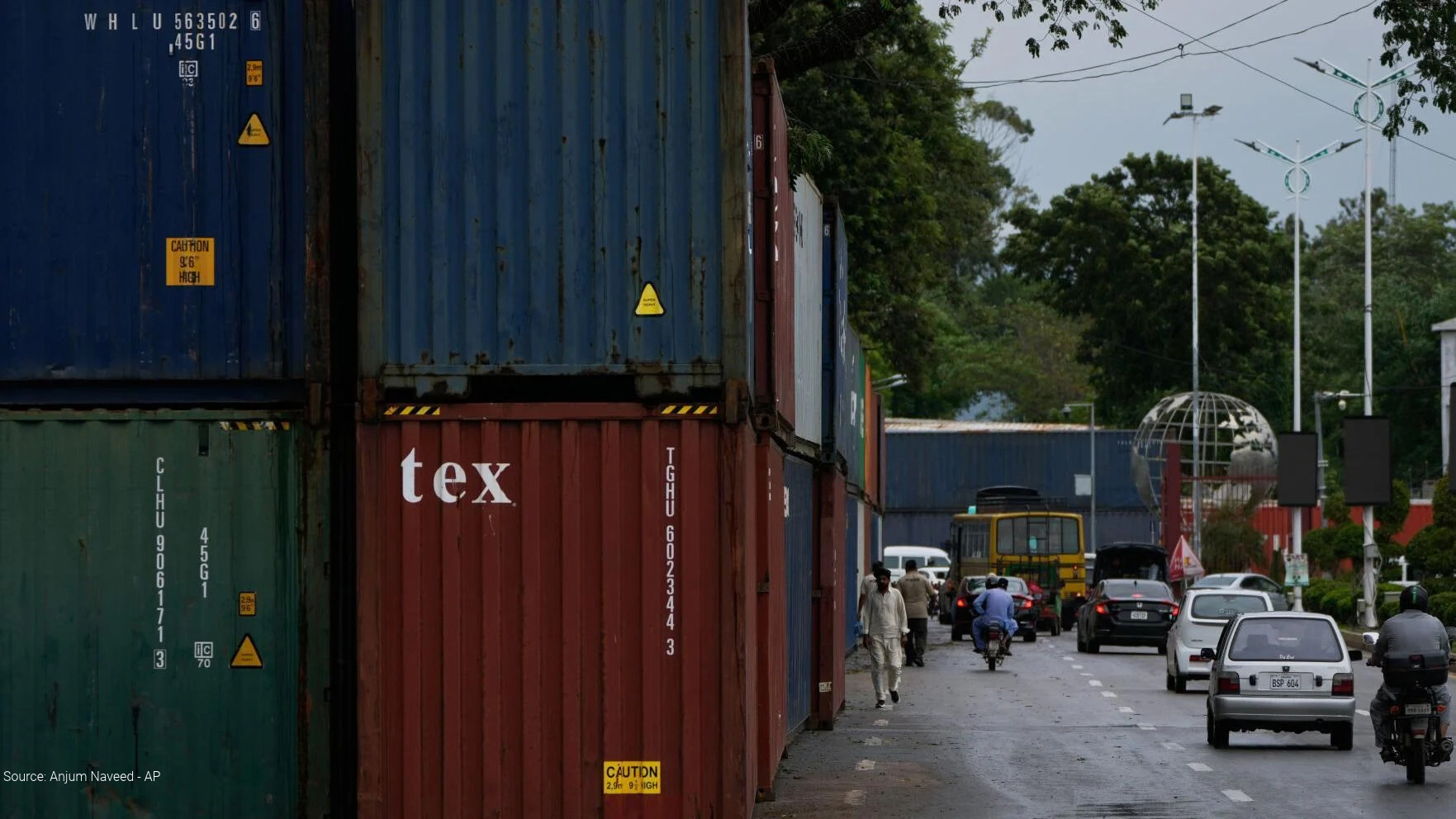
Pakistan’s pre-budget season raises a familiar yet unresolved contradiction: a country struggling to raise revenue, while its citizens feel taxed at every step of daily life. With a heavily informal economy, layered taxation, and shrinking fiscal space under debt and IMF constraints, Budget 2026–27 is unlikely to bring structural change. Instead, the real question remains who is actually being taxed, and why does the burden continue to fall on those already within the system?

By |2026-04-27T16:49:17+05:00April 27, 2026|Impact & Learning|0 Comments

How Climate Change is Worsening Malnutrition in Pakistan

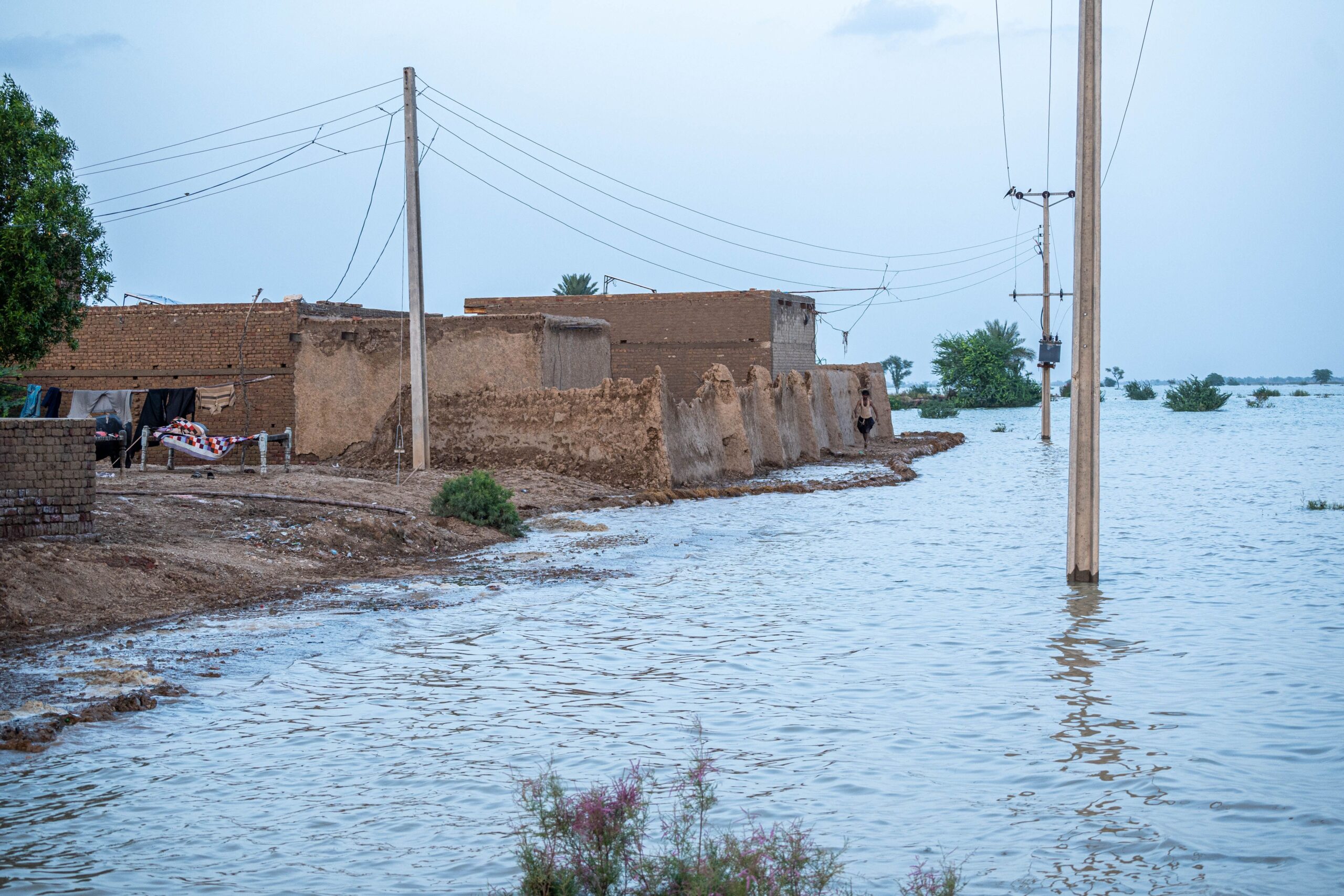
Climate change is intensifying malnutrition in Pakistan by disrupting agriculture, reducing food quality, and limiting dietary diversity. Even when food is available, “hidden hunger” persists due to declining nutrient content and reliance on staple crops. Floods, droughts, and water scarcity further worsen health conditions, especially for vulnerable communities. Addressing this crisis requires integrated solutions that combine climate resilience with nutrition, health, and food system reforms.

By |2026-04-24T15:45:25+05:00April 24, 2026|Climate Change, Impact & Learning|0 Comments

Why Pakistan’s Entrepreneurial Landscape Has Struggled to Deliver for Its Youth: A Critical South Asian Comparison

Pakistan’s entrepreneurial ecosystem is defined not by a lack of talent or ambition, but by structural instability that prevents startups from scaling sustainably. Macroeconomic instability, limited access to growth capital, and persistent digital disruptions are significantly constraining Pakistan’s startup ecosystem, with venture capital inflows, according to Invest2Innovate (i2i) falling sharply from around $355 million in 2022 to nearly $36–37 million in 2025, while internet shutdowns alone cost the economy over $1.6 billion in 2024; these structural challenges are further compounded by deep human capital gaps, which continue to limit productivity, innovation, and the long-term scalability of youth-led enterprises.

Battleground Algorithms: How Artificial Intelligence is Shaping Modern Conflict Narratives

Modern conflicts are no longer fought only on physical battlefields but within algorithm-driven information ecosystems. From AI-generated content to state-crafted digital narratives, platforms now shape what the world sees and believes about war. As verification struggles to keep pace with virality, truth itself becomes contested. This blog examines how algorithms have emerged as silent actors in modern warfare.

By |2026-03-31T20:30:47+05:00March 19, 2026|AI, Impact & Learning|0 Comments

Imagination as the Blueprint of Reality

As a communications professional at Accountability Lab, I have witnessed firsthand how the arc from imagination to reality unfolds. Technologies once dismissed as fantasy are now integral to our daily lives. Yet, this rapid transformation brings profound ethical and emotional considerations. In Pakistan’s development sector, empathy is not an optional virtue; it is the currency of trust and human dignity. While AI can analyze data, draft reports, or even simulate emotional support, it cannot replace the intuition, compassion, and accountability that only humans provide. The real challenge lies not in technological capability but in conscientious stewardship. AI carries tremendous potential, yet it can amplify inequities, isolate the vulnerable, and erode social bonds if deployed without care. Our responsibility is clear: ensure technology remains a tool guided by human conscience, not a substitute for it. Progress must be measured not only by innovation but by the lives it uplifts and the communities it serves. Imagination gave us the blueprint; empathy must shape the structure.

By |2026-01-15T18:27:28+05:00January 15, 2026|Impact & Learning, Thought Leadership|0 Comments

Rethinking Reforms Process in Balochistan: Innovation and Leadership at BCSA

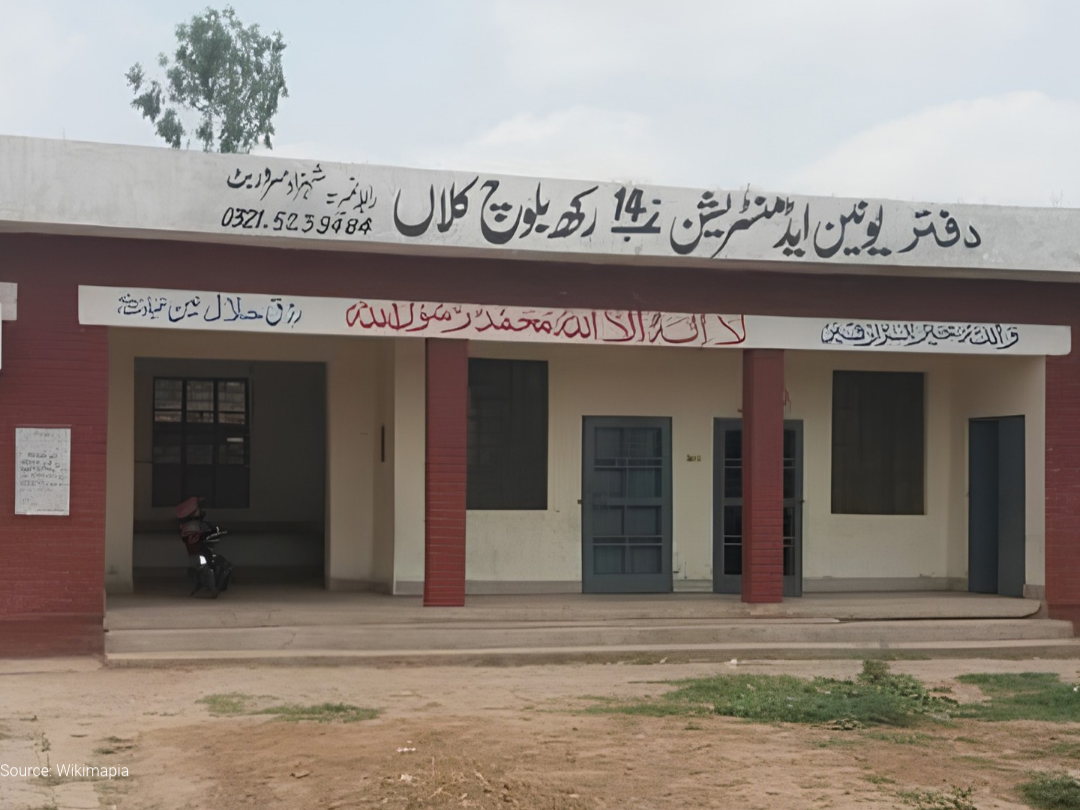
At the Balochistan Civil Services Academy in Quetta, young officers are embracing innovation, ethical leadership and citizen-centered governance to reimagine how public service can work for people. Through design thinking and practical reforms from digitized accountability systems to community-driven feedback they are proving that meaningful change begins within institutions. This growing movement reflects a powerful shift in Balochistan’s governance narrative: from limitations to leadership, and from challenges to homegrown solutions.

By |2025-10-24T16:29:53+05:00October 23, 2025|Impact & Learning|0 Comments

Constitution for All: Rethinking Gender Inclusive Governance in Pakistan

Pakistan’s Constitution stands as the cornerstone of its democratic and legal framework, yet parts of its language remain gender-specific. Revising these sections estimated to be about one-third of the total articles offers an opportunity to align the text with contemporary principles of equality and inclusion. Ensuring gender-neutral and representative language would not only modernize the Constitution but also reinforce fair governance, strengthen public trust, and reflect the participation of all citizens in Pakistan’s democratic process.

By |2025-10-22T15:48:25+05:00October 22, 2025|Impact & Learning|0 Comments

Women Leading Change: Strengthening Community Resilience in Haripur

In 2021, Accountability Lab Pakistan (ALP), with support from the Australian High Commission’s Direct Aid Program (DAP), launched a women-led initiative in Haripur to build community resilience after COVID-19. In partnership with local authorities, ALP trained women leaders from nine union councils to counter misinformation, promote verified health information, and strengthen civic trust. Reaching over 100,000 people, the project boosted awareness, vaccine acceptance, and confidence in local institutions — proving that when women lead, communities become stronger, more informed, and resilient.

By |2025-10-21T14:52:01+05:00October 21, 2025|Impact & Learning|0 Comments

Data-Driven Cities: Lessons from World for Pakistan

As Pakistan’s cities buckle under growing population pressures, the answer to smarter urban living doesn’t lie in more concrete; it lies in data and design. In cities like Beijing and Singapore, real-time information fuels responsive systems: subways adapt to surges, traffic lights shift with congestion, and public services evolve through citizen feedback. These are not just feats of technology; they are products of deliberate design thinking that puts human needs at the center. Pakistan has the raw ingredients: high mobile penetration, emerging transit systems, and a tech-savvy youth, but lacks the connective tissue of data integration and user-centered problem-solving. This blog explores how pairing data science with design thinking can help Pakistan leapfrog traditional development paths, turning fragmented systems into intelligent networks that listen, learn, and serve. The future of our cities depends not only on what we build, but on how deeply we understand the people who move through them.

Go to Top