
NEWS
IN BRIEF

Climate change is intensifying malnutrition in Pakistan by disrupting agriculture, reducing food quality, and limiting dietary diversity. Even when food is available, “hidden hunger” persists due to declining nutrient content and reliance on staple crops. Floods, droughts, and water scarcity further worsen health conditions, especially for vulnerable communities. Addressing this crisis requires integrated solutions that combine climate resilience with nutrition, health, and food system reforms.
SHARE
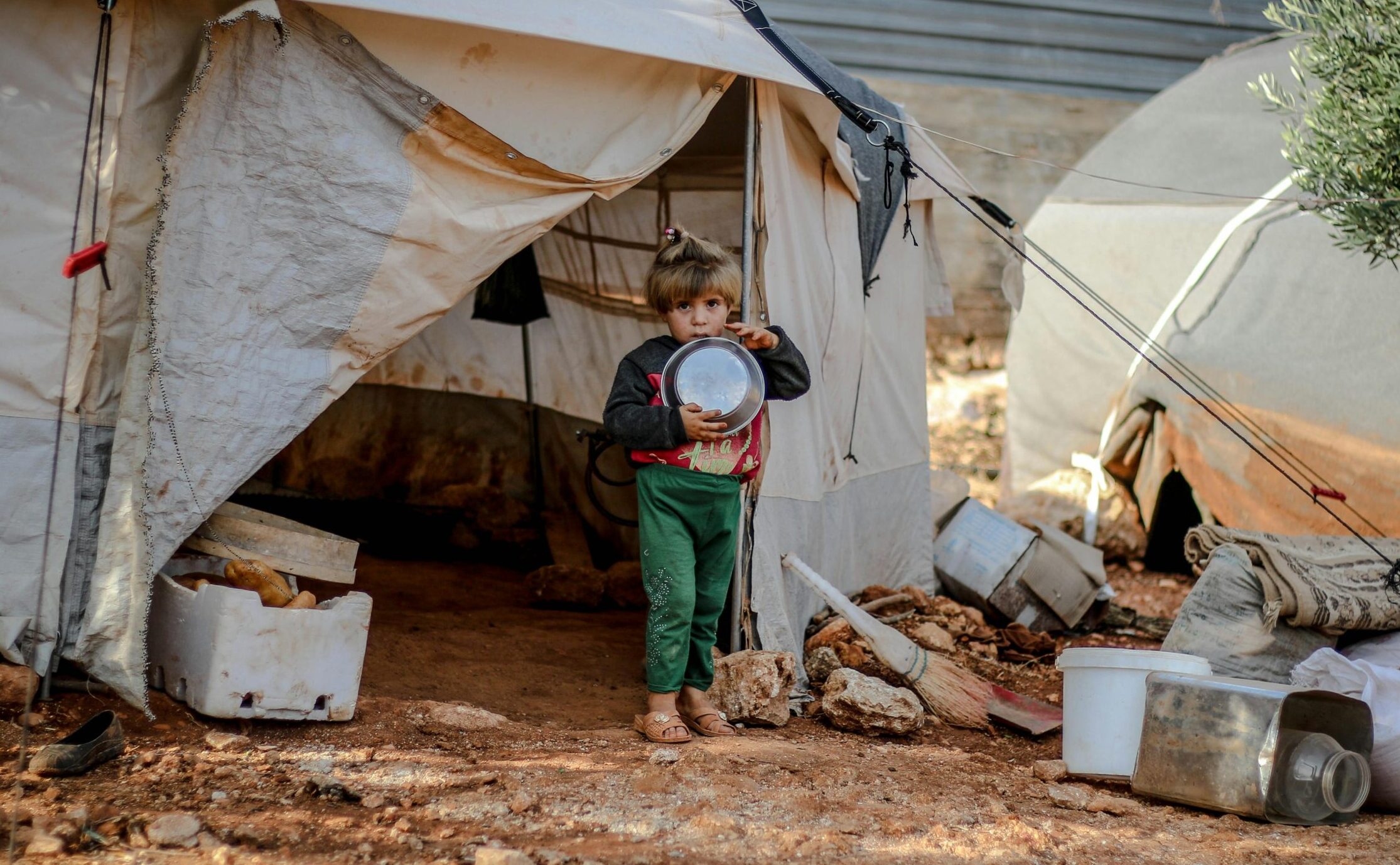
A mother in rural Pakistan feeds her child the same meal she has always prepared, yet this time, it isn’t enough. The fields that once sustained her family have been battered by floods, scorched by heat, and drained by drought. The harvest looks familiar, but its nourishment is fading. Across the country, an invisible crisis is deepening: as climate change reshapes what grows and what survives, it is quietly turning food into something less sustaining. In a nation already on the edge of hunger, how is climate change transforming meals into malnutrition, and how many futures will it cost?
Pakistan is facing a growing nutrition crisis that is both visible and hidden. While food insecurity is often discussed in terms of quantity, a more insidious challenge, “hidden hunger,” continues to affect millions. Hidden hunger refers to deficiencies in essential vitamins and minerals, even when caloric intake may be sufficient. In Pakistan, this issue is particularly severe, as 8 out of 10 children do not consume the right type and quantity of food (UNICEF, 2024). Climate change is now intensifying this crisis, creating a dangerous intersection between environmental stress and nutritional vulnerability.
The roots of malnutrition in Pakistan are complex, but climate change is rapidly amplifying existing challenges. Rising temperatures, erratic rainfall patterns, floods, and droughts are disrupting agricultural productivity across the country. Pakistan’s food system is heavily dependent on climate-sensitive crops such as wheat and rice. When these staple crops fail or decline in quality due to extreme weather, households are forced to rely on limited, less diverse diets. This lack of dietary diversity is a key driver of hidden hunger, as many families depend on staple foods that lack essential micronutrients.
Climate change also affects the nutritional value of food itself. Elevated carbon dioxide levels decrease the concentration of key nutrients, such as zinc and iron, in staple crops. This is particularly alarming in Pakistan, where malnutrition is already widespread. Around 40% of children are stunted, and 18% suffer from acute malnutrition (WFP, 2024) . Such deficiencies impair cognitive development, weaken immune systems, and increase susceptibility to infections.
Water scarcity and poor sanitation further compound the problem. Climate-induced water stress reduces access to safe drinking water, particularly in rural and marginalized communities. Flooding, an increasingly frequent climate event, has devastating impacts. Following the 2022 floods, UNICEF reported widespread disease outbreaks, malnutrition, and displacement, with millions of children exposed to contaminated water and severe health risks . These conditions worsen nutrient absorption and increase the disease burden. (UNICEF, 2023)
Another critical dimension is socioeconomic inequality. Climate change disproportionately affects low-income communities that rely on agriculture for their livelihoods. Crop failures, livestock losses, and rising food prices reduce household incomes and limit access to nutritious food. Globally, rising food prices are making healthy diets increasingly unaffordable, especially in low-income settings(SOFI Report, 2025). In Pakistan, this translates into greater reliance on cheap, nutrient-poor foods, deepening hidden hunger.
Women and children are particularly at risk. Pakistan already faces a severe maternal and child nutrition crisis, with millions of women and children requiring urgent nutrition services and over 500,000 children suffering from severe acute malnutrition (UNICEF, 2023). Climate shocks further restrict access to food, healthcare, and safe environments, resulting in long-term consequences such as stunted growth, weakened immunity, and reduced human capital.
Addressing the intersection of climate change and malnutrition requires a comprehensive, multi-sectoral approach. Promoting dietary diversity, scaling climate-resilient agriculture, and strengthening food fortification and supplementation programs are essential. At the same time, improving water, sanitation, and healthcare infrastructure can significantly enhance nutritional outcomes. UNICEF emphasizes integrated approaches that combine nutrition, health, and WASH interventions to improve child survival and development.
Finally, stronger research and monitoring systems are essential. Climate change is an evolving challenge, and its impact on nutrition must be continuously assessed. Data-driven policies and national surveys can help identify high-risk populations and guide targeted interventions.
In conclusion, climate change is not just an environmental issue; it is a public health emergency that is intensifying malnutrition across Pakistan. By disrupting food systems, reducing nutrient availability, and deepening socioeconomic inequalities, it is worsening an already critical situation. Tackling this crisis requires urgent, coordinated action that integrates climate resilience with nutrition strategies. Only through such efforts can Pakistan hope to overcome hidden hunger and secure a healthier future.
About the Author:
Abeeha Rana is Project Associate at Accountability Lab Pakistan and can be reached at abeeha@accountabilitylab.org