Water You Doing, AI?

We have become remarkably good at making technology feel effortless. A few clicks give us an answer, a car runs without petrol and the cloud stores almost everything we could need. What remains out of sight is the water, energy and raw materials required to make these conveniences possible. As AI expands and industries race to build the next big thing, the environmental bill keeps growing in places most of us will never see. And even those of us who understand the costs are unlikely to stop using the technologies that make our lives easier.

The Right to Be Heard: Protest and the Promise of Democracy in Pakistan

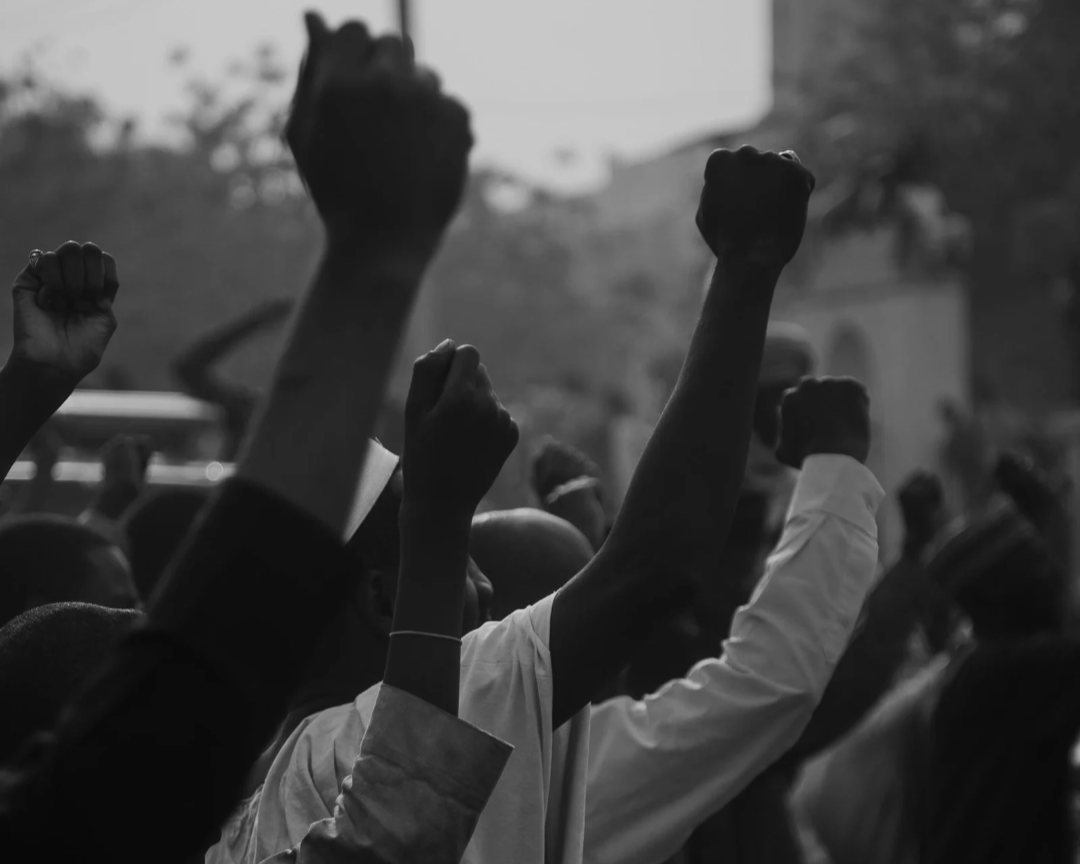
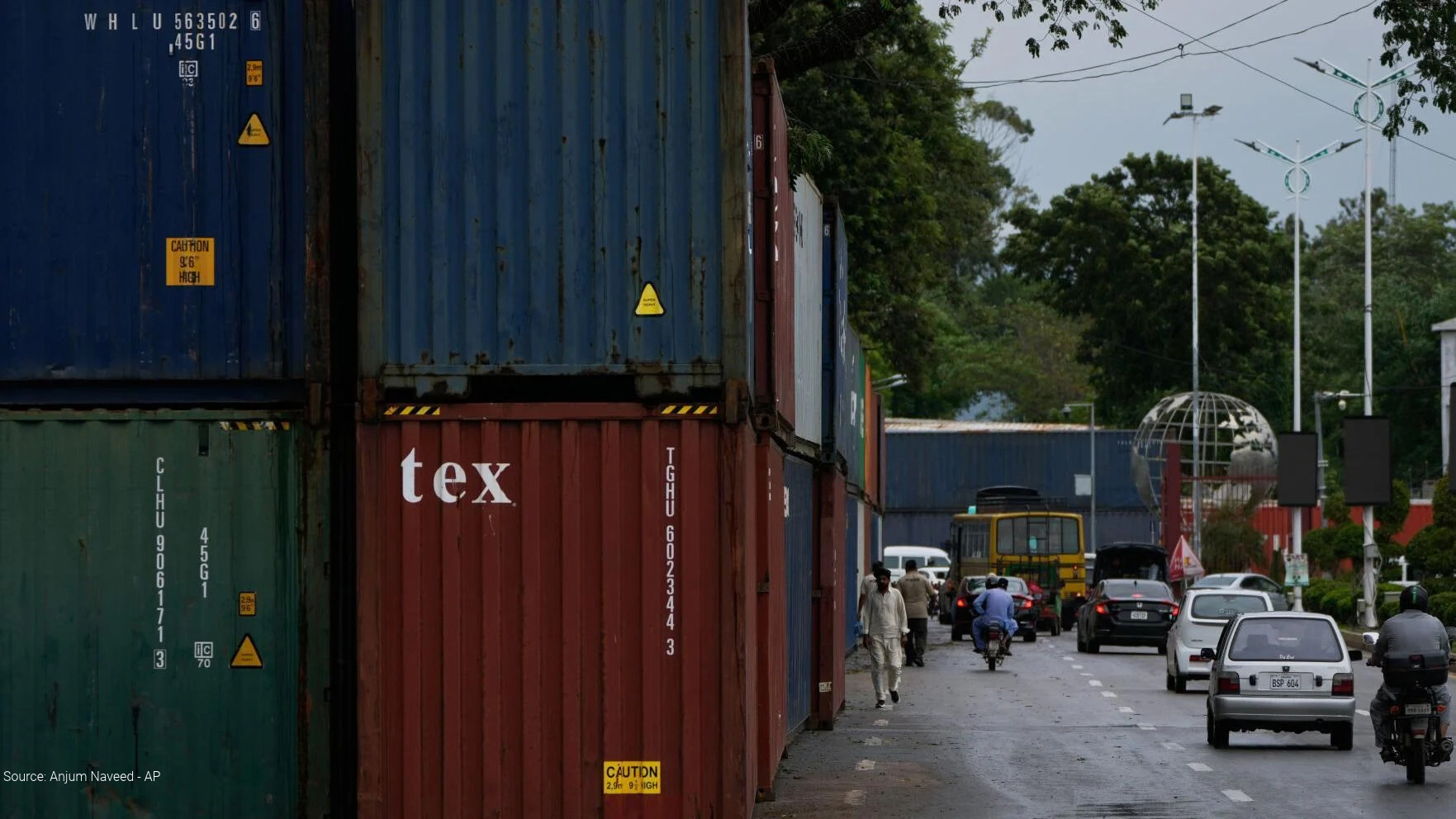
In Islamabad, a protest can bring an entire city to a standstill before a single person takes to the street. Containers, closures and suspended services have become familiar parts of the state’s response to public dissent. The cost is carried by ordinary citizens whose daily lives are disrupted alongside the protesters. A democracy needs space for disagreement, and that space is built through dialogue, restraint and trust.

The Price of Participation

In 2019, Rs5,000 in pocket money could give a 17-year-old student in Islamabad some room to make ordinary choices. A shawarma cost around Rs50, hostel fees were below Rs10,000 and a monthly van fare was about Rs1,200. Today, even with an income of my own, a single journey across the city can cost Rs1,000 or more. As petrol rose from around Rs91 per litre in early 2019 to nearly Rs390 in September 2026, mobility itself became more expensive. What looks like an inflation story is also a story about who can still afford to move, work, study and participate in everyday life.

Why Are Pakistan’s Local Governments Still Weak? The Missing Link Between Democracy and Everyday Services

Article 140-A has required provinces to devolve political, administrative and financial authority to elected local governments since 2010, but meaningful devolution remains incomplete. A 2018 Senate committee estimated that only around 10% of the process had been achieved. More than fifteen years later, provincial control over finances, administration and local structures continues to limit municipal governments. The result is a democratic system where decisions affecting water, sanitation, roads and other daily services often remain far removed from the communities they affect.

Practice Makes Perfect: Democracy and Spaces for Young People to Practice it

Pakistan asks its young people to vote, speak up and engage, while giving them surprisingly few places to learn what meaningful participation looks like. Forty-two years after the nationwide ban on student unions, many young Pakistanis have grown up without the institutions through which earlier generations learned to organise and negotiate. In the 2024 general election, 48% of young voters cast a ballot. Sustained participation requires more than electoral turnout; young people need meaningful roles in schools, political organisations and local decision-making. Democratic agency grows through repeated opportunities to raise concerns, influence decisions and see institutions respond.

Democracy Has a Youth Audience, Not a Youth Voice: Why Young People Are Invited to Vote but Excluded from Power

Pakistan’s youth made up 44% of registered voters in the 2024 general election, with voters aged 18–35 rising to nearly 56.9 million. Only 2.3% of lawmakers are aged 30 or below, revealing a wide gap between electoral weight and political representation. With 77 of 111 parties failing to meet the 5% legal threshold for women candidates, access to political power remains uneven across age and gender. The strength of Pakistan’s young electorate deserves representation in the institutions where political decisions are made.

By |2026-09-29T11:21:41+05:00September 29, 2026|Impact & Learning, Learning, Youth & Education|0 Comments

Why Being Human Is Still Our Greatest Advantage Today

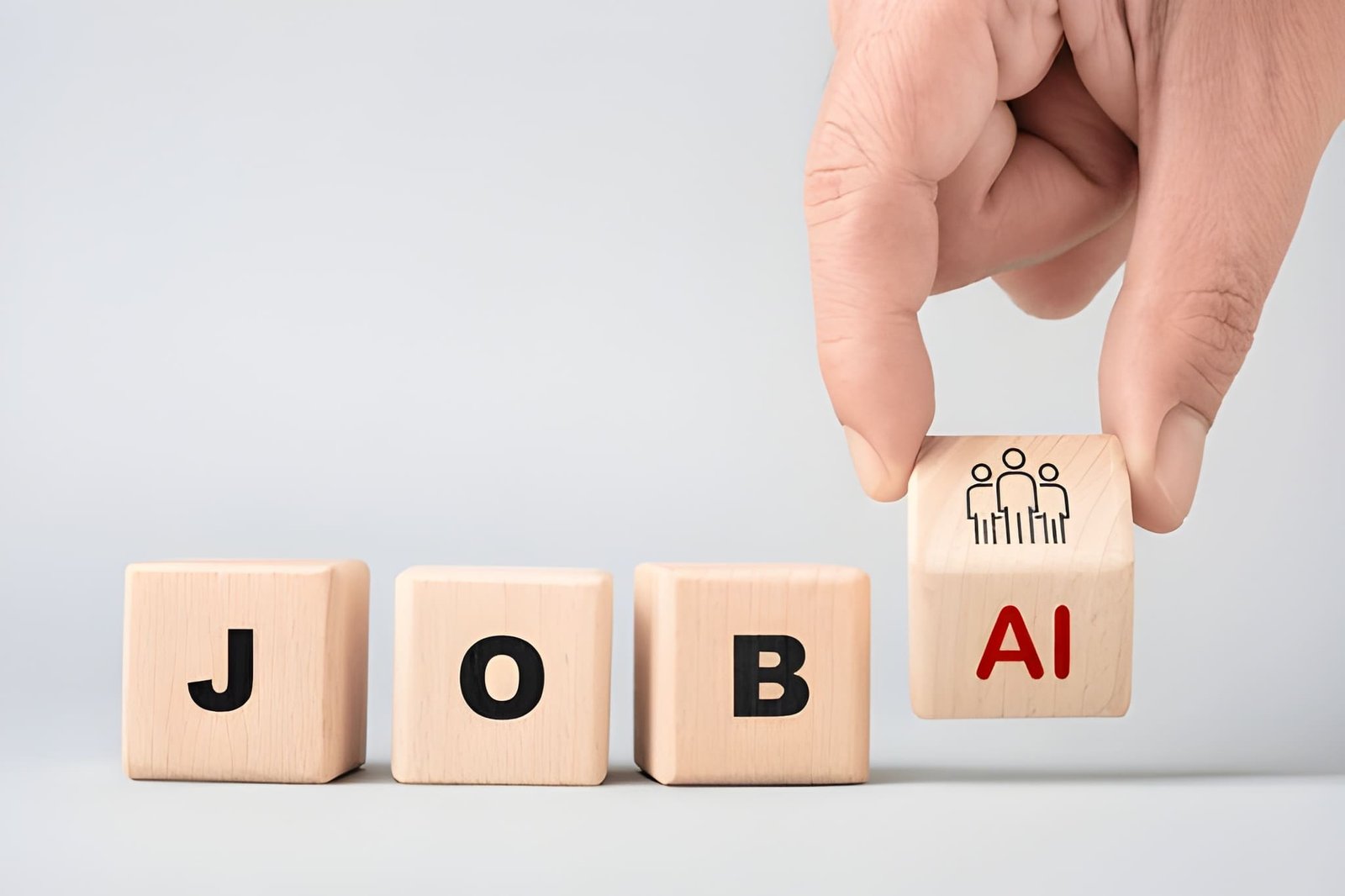
The fear that AI will replace human jobs dominates headlines but the reality is far more nuanced. In 2026, the most valuable professionals aren’t those competing with AI, but those who know how to lead it. From creative industries to technical trades, this blog by Muhammad Huzzaifa Attiq explores how human intuition, ethics, and strategic thinking remain irreplaceable and why the real risk isn’t AI, but the growing skill gap.

Pakistan’s Emerging Leadership Initiative

Pakistan is the Fifth-largest youth country in the world, with 60 percent of youth under 30. According to a study by the Pakistan Institute of Economic Development (PIDE), 31 percent of youth is unemployed. Currently, the youth of Pakistan is facing significant challenges like a lack of opportunities, limited career counseling options, mental health issues, and flaws in the educational system. These rising challenges have created frustration and stress among the youth, which can be seen as a lack of acceptance, resentment, and hostility in their behavior and on social media platforms (...)

Youth Peace Incubation Program – An inspiring journey of emerging leaders

For many years in Pakistan, the voices of our youth expressing their concerns about their due rights have remained unheard. The majority of them did not get an adequate platform due to inefficient governments and a lack of the rule of law. In addition, the Transparency International's Corruption Perception Index ranks Pakistan 140 out of 180 countries, citing corruption and the absence of accountability as two significant indicators of poor governance; these factors often result in chaos, instability, and other challenges for the state and its citizens (...)

The gender gap and economic participation of women in Pakistan

Pakistan presently ranks among the worst countries in the world in terms of gender parity, only performing better than Iraq, Yemen, and Afghanistan. According to the "Global Gender Gap Report 2021" published by the World Economic Forum (WEF), Pakistan ranked 153rd out of 156 countries on the gender parity index. [...]

By |2022-11-10T13:01:39+05:00July 29, 2022|Home Blog, Press, Youth & Education|0 Comments
Go to Top