Pakistan’s Waste Crisis: How Garbage Is Becoming a Public Health and Environmental Emergency

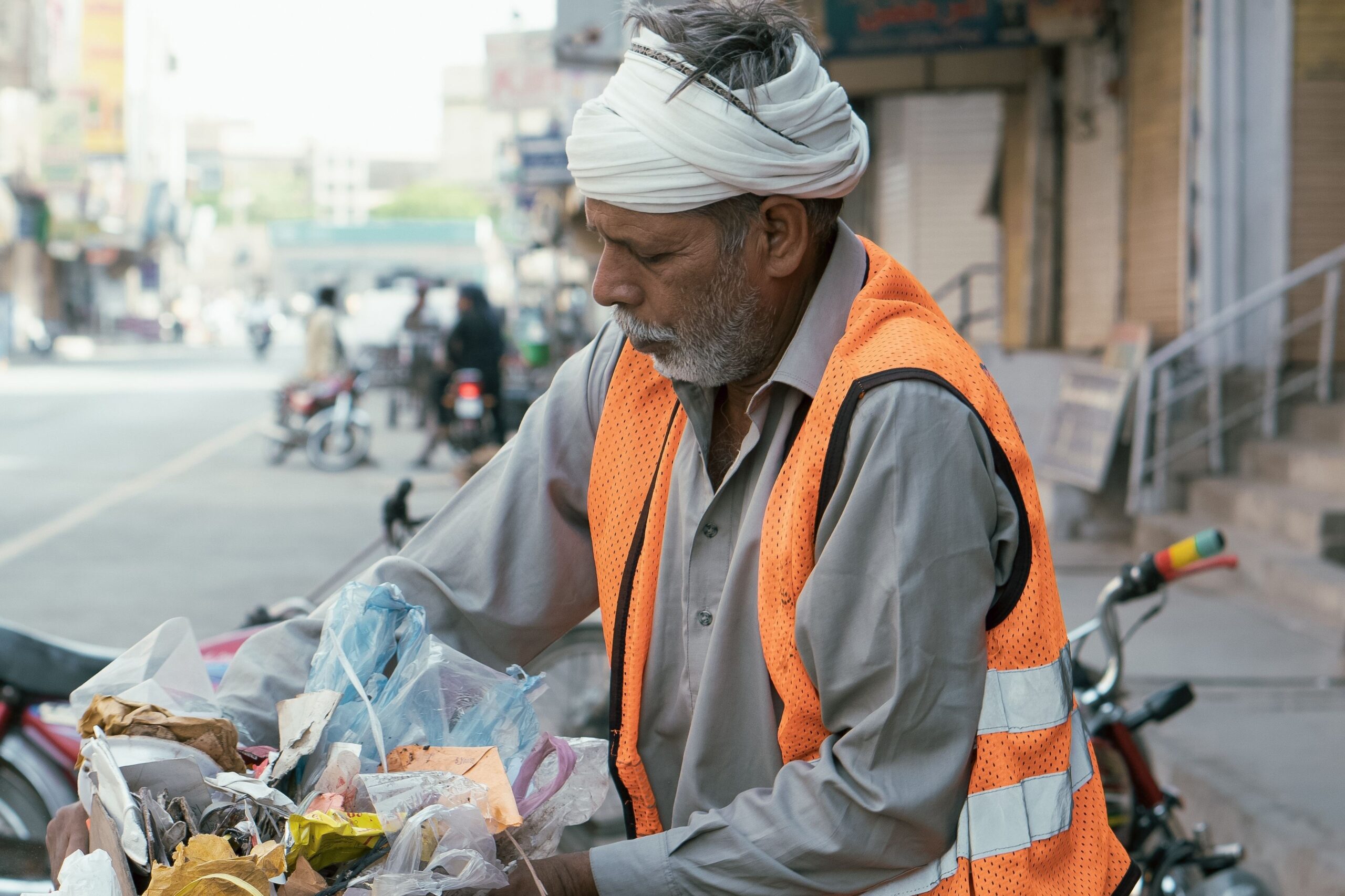
Pakistan’s waste crisis extends far beyond uncollected garbage, affecting public health, the environment, waste workers, and urban governance. With waste generation rising and systems struggling with segregation, recycling, and safe disposal, the burden often falls on communities and workers most exposed to its consequences. Addressing the crisis requires moving beyond a “collect and dump” approach towards stronger waste systems, safer working conditions, responsible consumption, and accountable local governance.
By |2026-08-25T13:08:32+05:00August 25, 2026|Impact & Learning, Learning|0 Comments

From Digital Ambition to Democratic Trust: Charting Pakistan’s Path Toward Inclusive Digital Governance

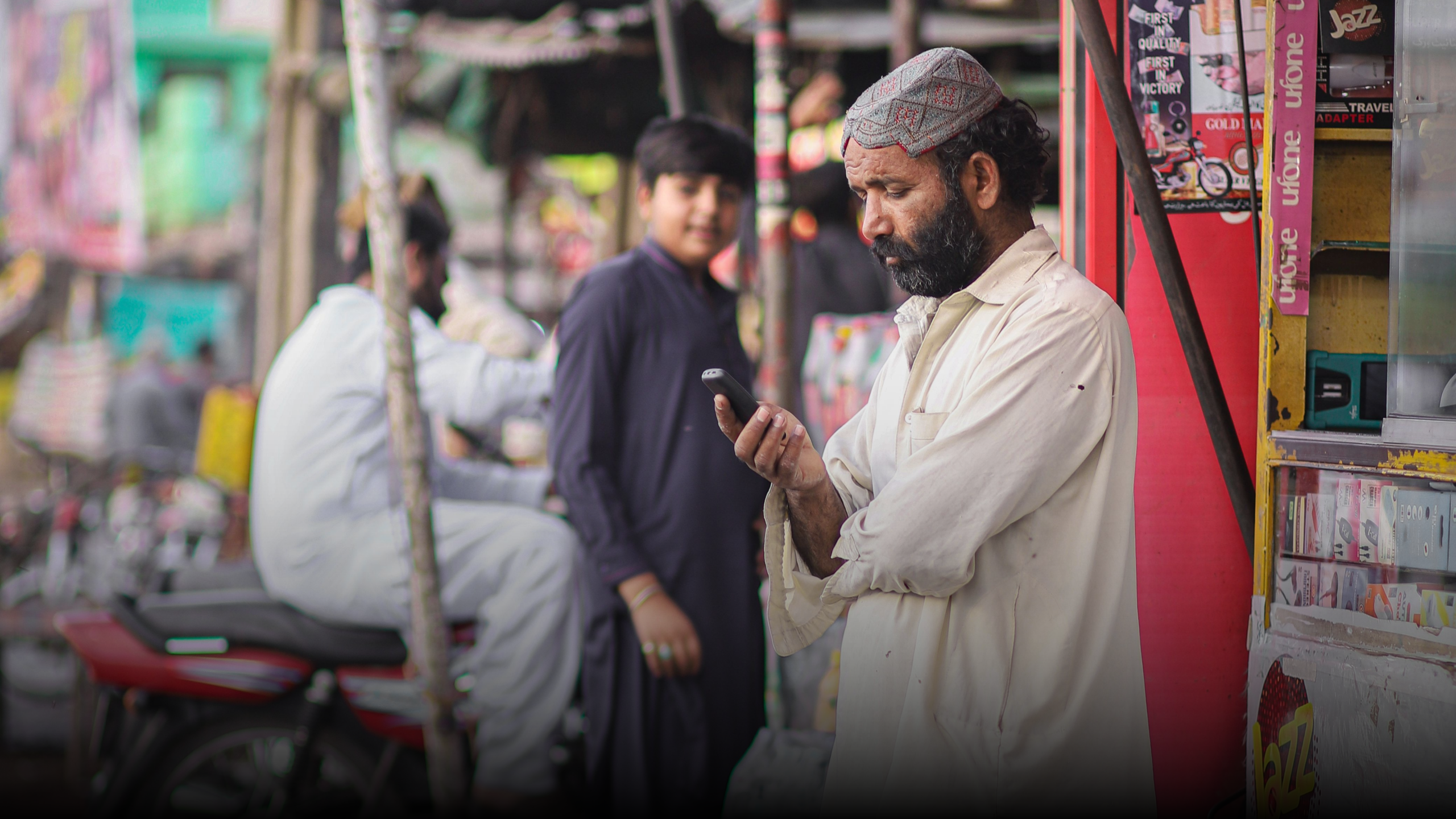
Pakistan has reached a genuine turning point in its digital journey. What follows will not be measured by how many additional citizens come online. It will be measured by whether those citizens believe the digital state being built around them has earned their confidence. That, more than any measure of connectivity, remains the true test of digital democracy going forward.

By |2026-08-18T15:44:44+05:00August 18, 2026|Impact & Learning, Learning|0 Comments

Beyond Hunger: Tackling Nutritional Deficiencies Among Pakistani Children

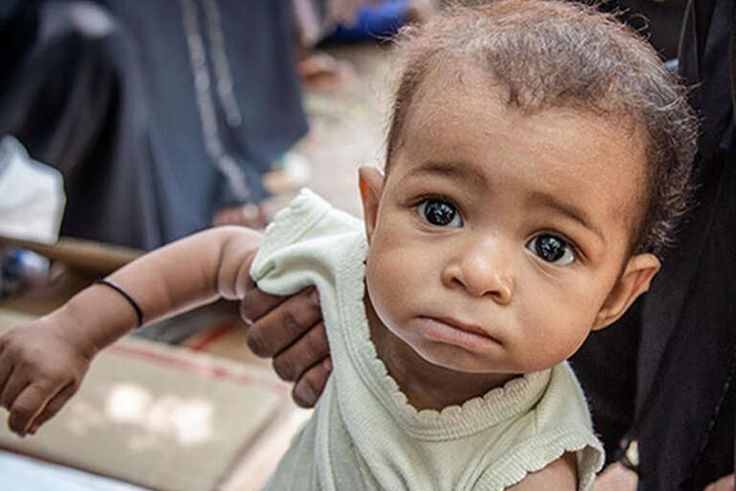
Child malnutrition in Pakistan extends beyond food scarcity, driven by poverty, inadequate healthcare, poor sanitation, and weak implementation of nutrition policies. Millions of children suffer from hidden hunger, where diets lack the essential nutrients needed for healthy growth and development despite providing enough calories. While initiatives such as the Benazir Nashonuma Programme demonstrate that integrated nutrition and social protection interventions can improve outcomes, sustained progress depends on stronger governance, accountability, and equitable access to health and nutrition services.

By |2026-07-30T13:05:22+05:00July 30, 2026|Learning, Uncategorized|0 Comments

Solving the corruption challenge: The key may lie with the citizens.

In a recent conversation with a senior police officer, a close collaborator, and a friend of Accountability Lab, I encountered an intriguing perspective on corruption within law enforcement—one that challenges the conventional narrative. This thought piece reflects on that conversation and explores the simple yet ignored dynamics between citizens and law enforcement officials, shedding light on how citizens may inadvertently become enablers of corruption.

By |2024-09-13T18:09:15+05:00September 13, 2024|Learning, Thought Leadership|0 Comments

A discussion with Climate Change Expert, Dr. Khalid Mahmood Shafi

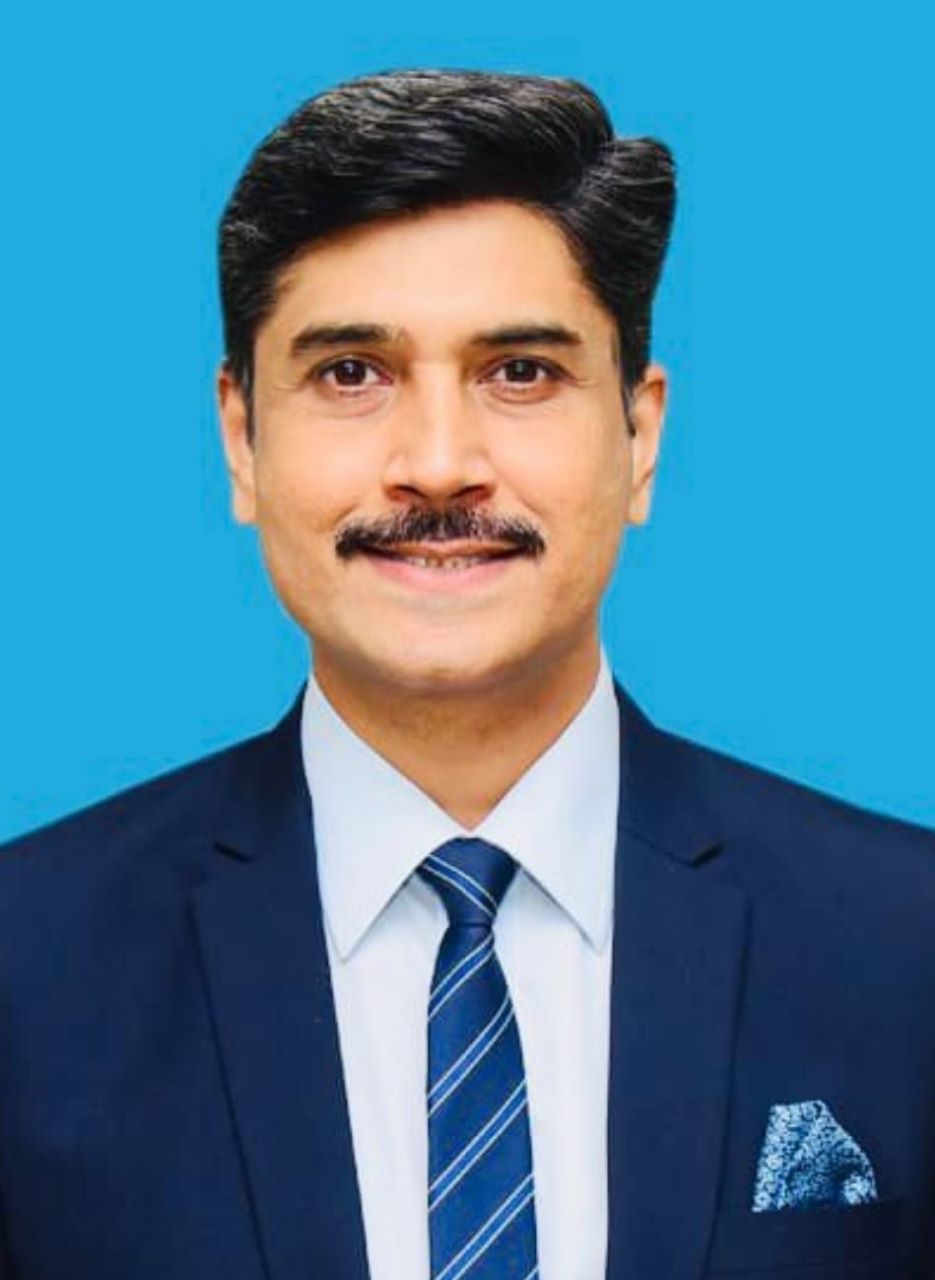
Dr. Khalid Mahmood Shafi is an academician and a practitioner with over thirty years of assorted experience. Dr. Khalid has a diverse academic background in social sciences, having attained a Master's degree in Strategic Studies, Peace and Conflict Studies, and International Relations. Additionally, he holds an MPhil and PhD degree in Peace and Conflict Studies with an interest in Global Climate Crisis; has been educating students at the university level. Dr. Khalid in a leadership role has served in the field where in addition to actively countering terrorism, he carried a passion to contribute to people-centric sustainable development and addressing environmental concerns. His publications in national and international journals are based on diverse topics of Policy reforms, Climate Change, Human Security, Civil Society, Air Pollution, COVID-19, UN, Peacebuilding and Non-Traditional Security Threats. He has also served in the United Nations. Dr. Khalid has authored two books titled "The Climate and COVID-19: Global Challenges and Responses" and "Now or Never: Realizing Global Green Regime."

Humans for Sale: Modern-Day Slavery

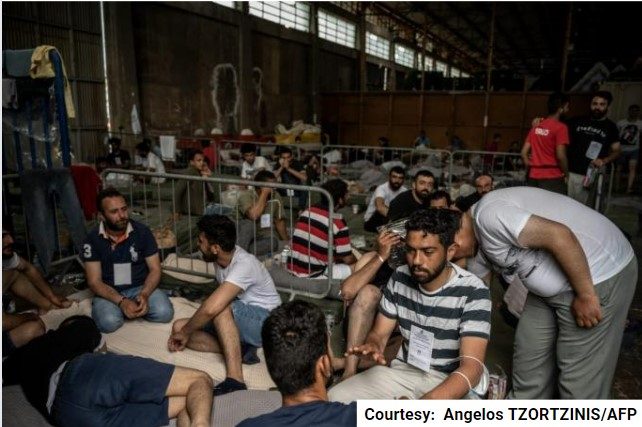
There is a general disillusionment among the people about the future of the country and the grass being greener on the other side. Such misconceptions make them willing to invest all their savings, fall into debt, and risk their lives to escape the country.

Women and Public Spaces in Pakistan

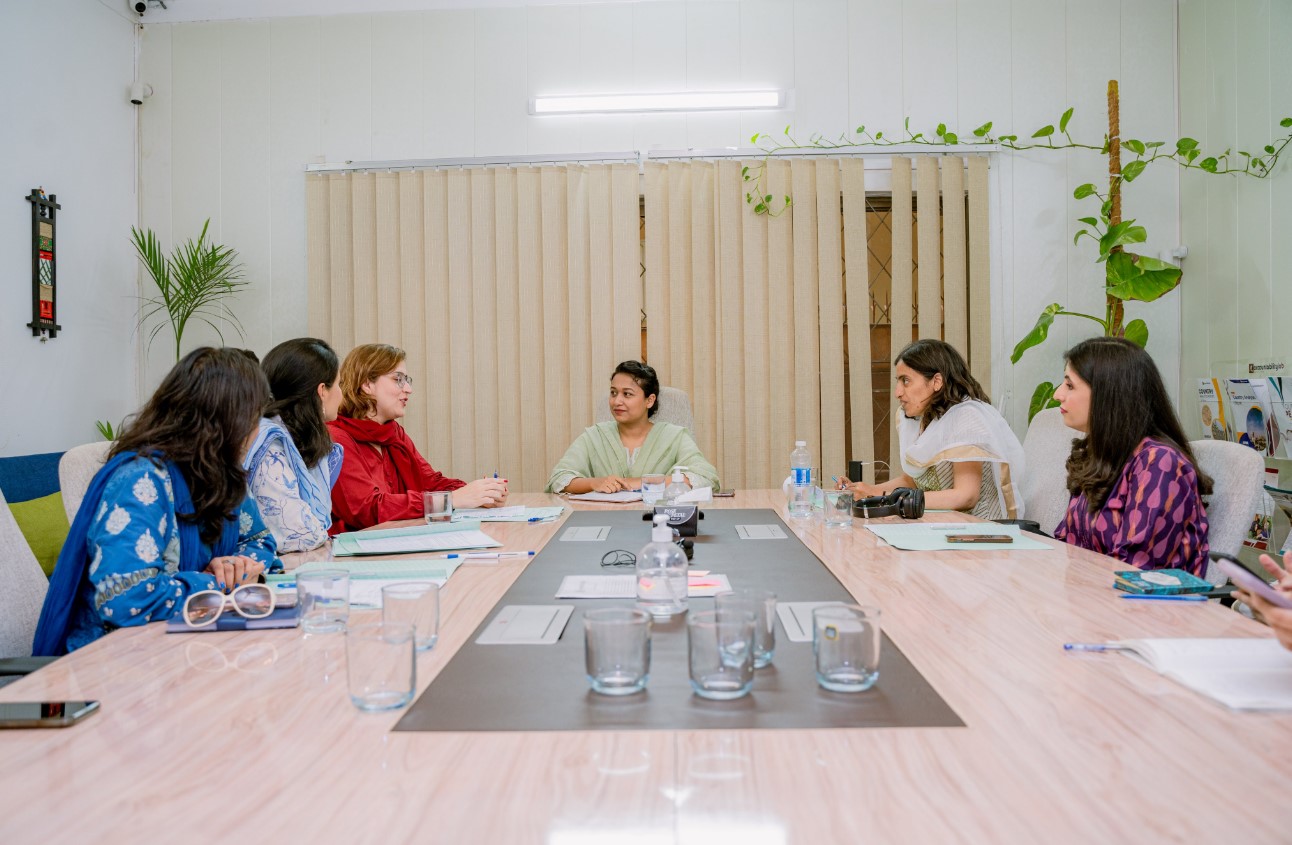
Pakistan has one of the lowest women labor force participation in South Asia, primarily due to the fact that women’s careers, professional growth, creative expression, and mobility are constrained due to the prevalence of patriarchal norms. Historically, Pakistan has always been a male-chauvinistic society, but with changing times and increasing participation of women in the workforce, public spaces need to become much more accessible and safer for women.

Celebrating Successful Women; Leveraging Failure for Success

“A key component of wisdom is fearlessness … which is not the absence of fear, but rather not letting our fears get in the way…. So very often the difference between success and failure is perseverance. It’s how long can we keep going until success happens? It’s getting up one [...]

By |2023-06-23T15:31:34+05:00June 23, 2023|Learning|0 Comments

Pakistan’s Emerging Leadership Initiative

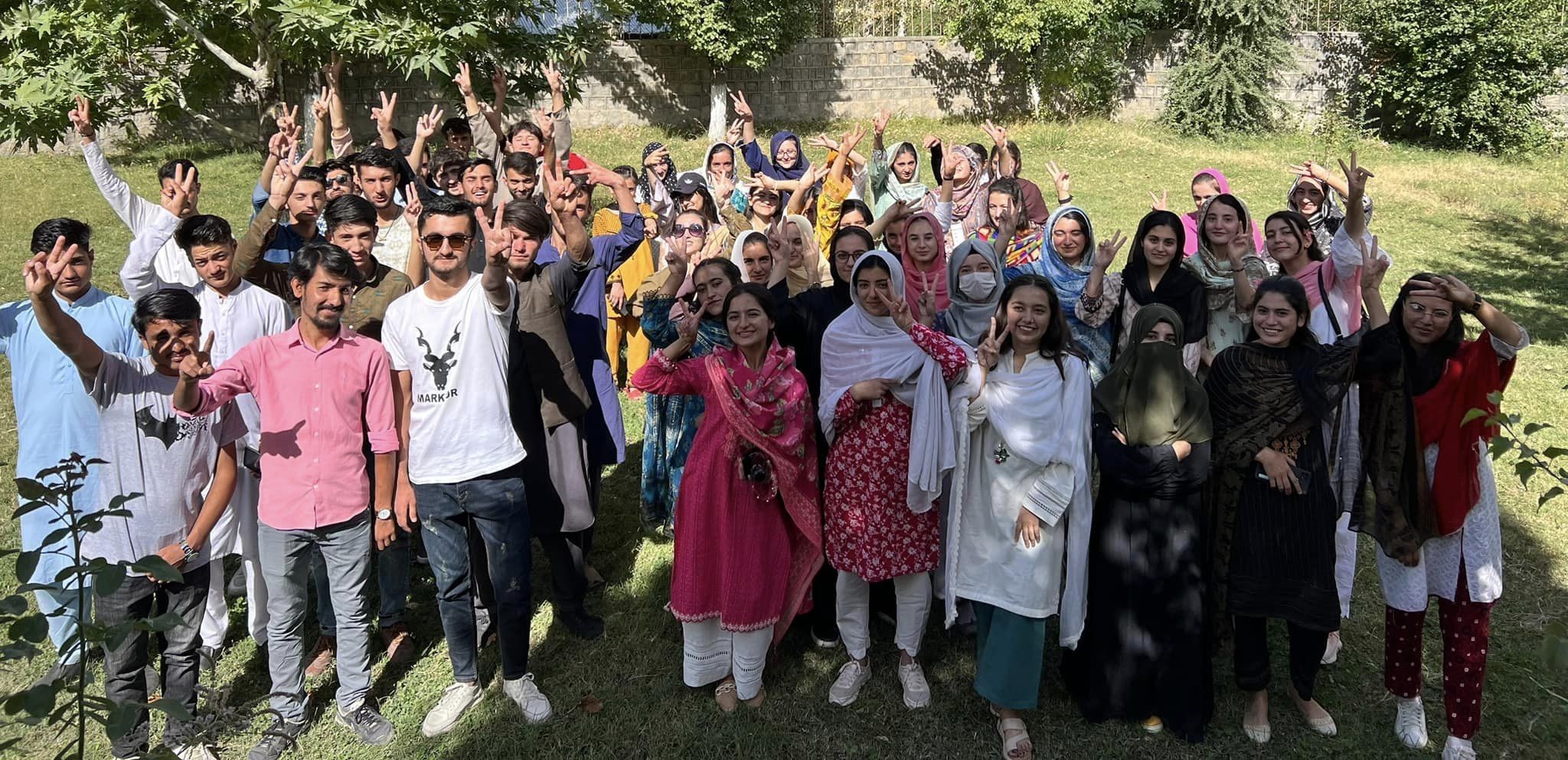
Pakistan is the Fifth-largest youth country in the world, with 60 percent of youth under 30. According to a study by the Pakistan Institute of Economic Development (PIDE), 31 percent of youth is unemployed. Currently, the youth of Pakistan is facing significant challenges like a lack of opportunities, limited career counseling options, mental health issues, and flaws in the educational system. These rising challenges have created frustration and stress among the youth, which can be seen as a lack of acceptance, resentment, and hostility in their behavior and on social media platforms (...)

Go to Top