Our Values at Work: Learning, Adapting and Reflecting

Accountable governance rests on institutional integrity, public trust and the capacity of systems to remain responsive to citizens’ experiences. Accountability Lab Pakistan’s work demonstrates how innovation, humility, practicality and collaboration inform efforts to strengthen institutional accountability and civic participation. Evidence from its initiatives underscores the significance of locally grounded solutions, sustained institutional engagement and community ownership in advancing governance reform. These experiences also highlight the need for continuous reflection, adaptive approaches and partnerships that extend beyond individual project cycles. Ultimately, durable accountability emerges when public institutions develop the capacity to respond to citizens’ needs and communities have a meaningful role in shaping governance.


Pumping Pakistan Dry

Pakistan’s groundwater crisis is unfolding beneath the surface, with falling water tables, growing urban demand and unchecked extraction placing pressure on a resource essential to daily life and economic activity. Lahore, Islamabad and Rawalpindi offer clear evidence of how urban expansion and excessive pumping are altering the country’s underground water reserves. Addressing the crisis requires reliable data, locally informed regulation and a closer integration of groundwater management, agricultural practices and urban planning. The decisions made today will determine how much water remains accessible to communities and future generations.

Who Gets a Voice in Pakistan’s Democracy?

Elections give citizens a voice in choosing their representatives, yet access to political power in Pakistan remains uneven. This blog explores how entrenched political families, costly election campaigns and limited internal democracy within political parties can make it difficult for new voices to emerge. It also examines the gap between young people’s active role in political campaigns and their influence over leadership and policy decisions. Greater transparency in candidate selection, fairer access to political financing and stronger local governance could help widen participation. A more representative political system depends on giving citizens a meaningful role in shaping policies and decisions, rather than limiting their involvement to voting.

Rethinking The Last Mile of Grantmaking: Reflections from the Organizations Closest to Communities

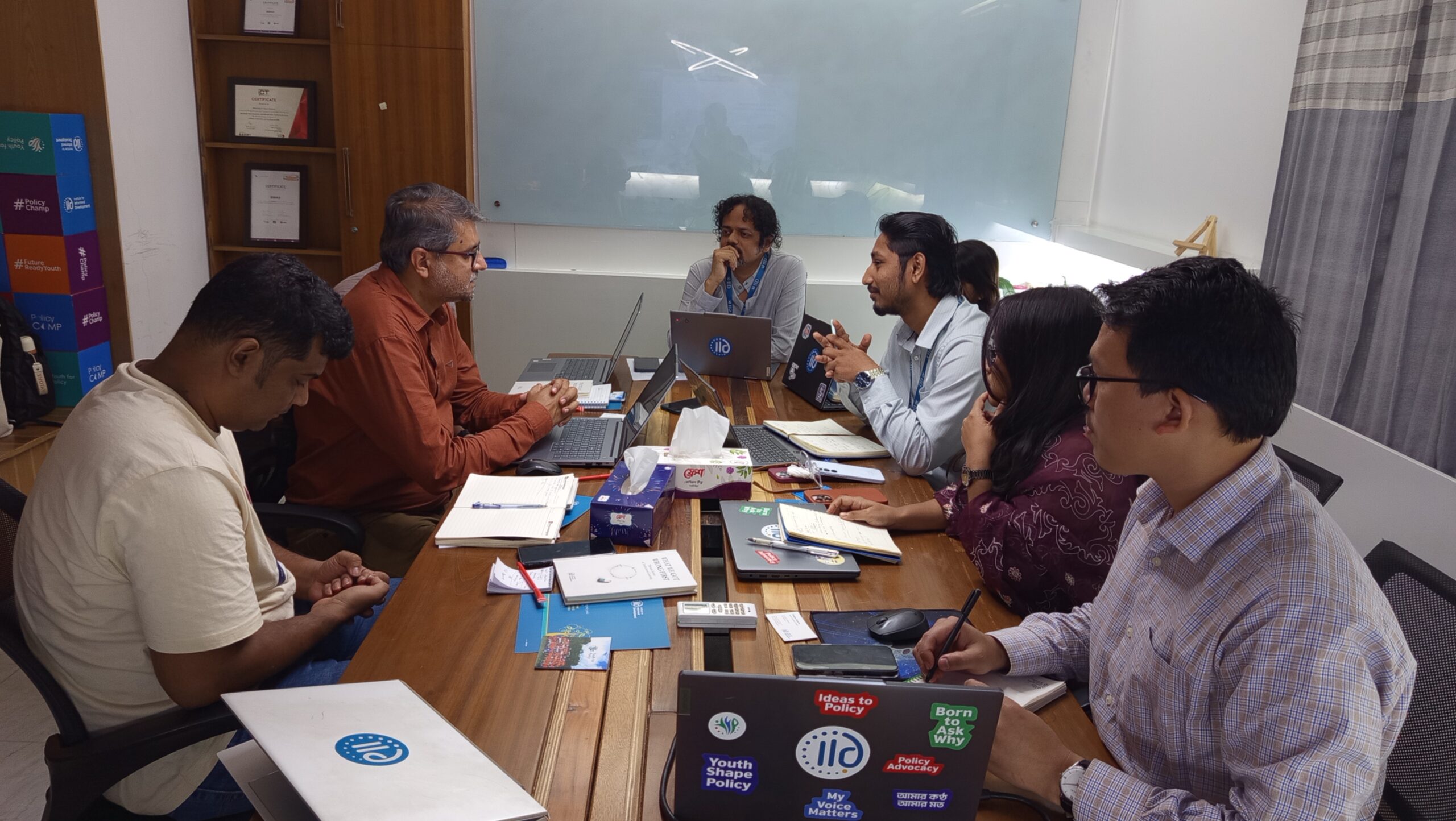
What does it take for funding to translate into lasting change at the community level? Drawing on monitoring visits across Bangladesh, Nepal and Sri Lanka, this blog explores how grassroots organisations use local knowledge, community relationships and modest grants to strengthen citizen engagement and public accountability. It examines how disproportionate compliance requirements, short funding cycles and narrow definitions of organisational capacity can create barriers for smaller organisations. The experience highlights the importance of flexible funding, practical support and accountability systems tailored to local contexts. Ultimately, effective grantmaking requires recognising the value grassroots organisations already bring and creating funding systems that help them sustain and expand their impact.

From Reports to Reality: Why Pakistan Ranks Last in Global Gender Gap Index

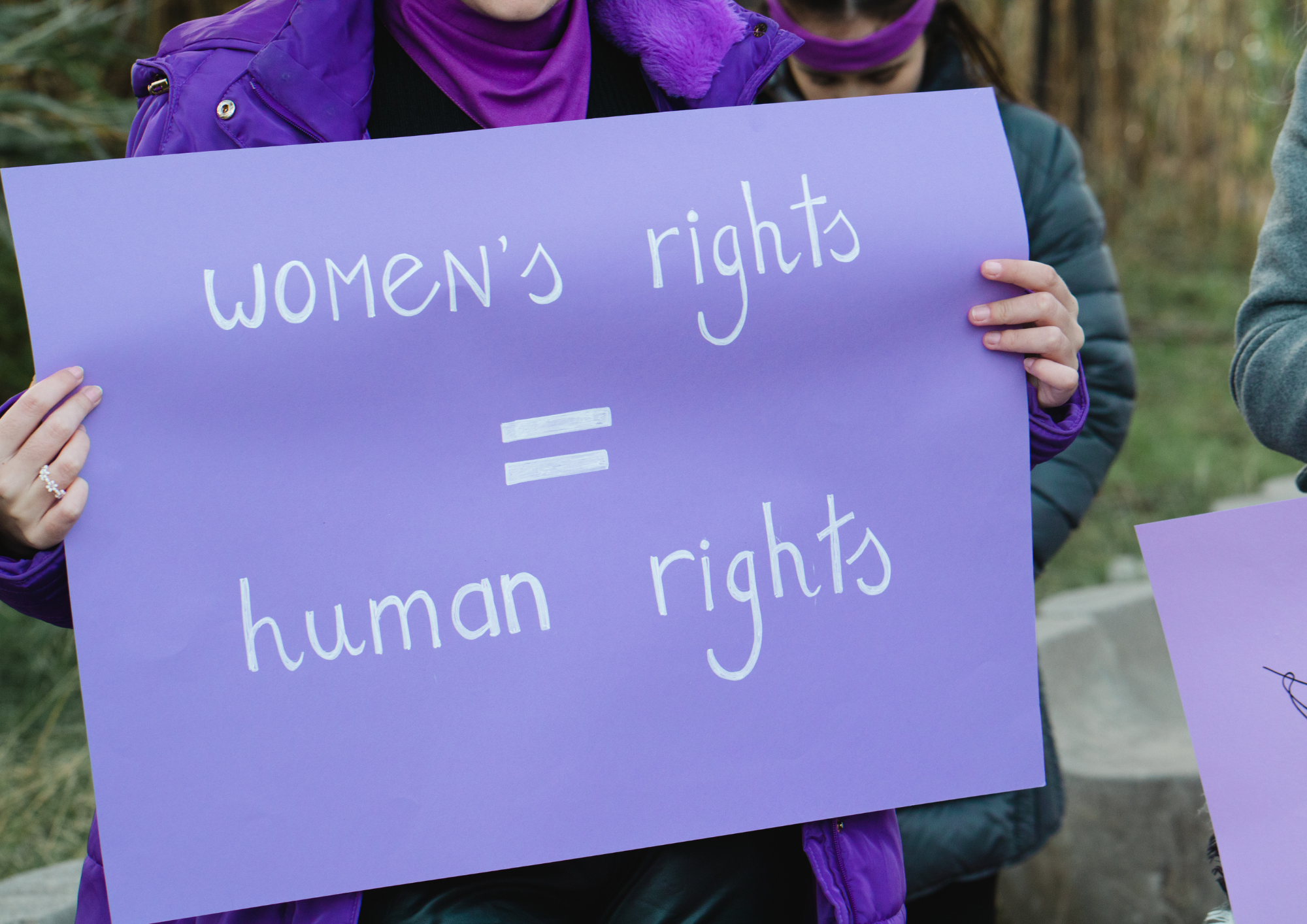
Pakistan’s last-place ranking in the World Economic Forum’s 2025 Global Gender Gap Index is not just a statistical failure, it is a moral one. With women making up half the population, the systemic disregard for their safety, representation, and rights continues to deepen. This blog critically unpacks the underlying causes of Pakistan’s worsening gender gap from institutional apathy and under-enforced laws to a culture of impunity that protects aggressors and silences survivors. The thought-piece also calls for meaningful reform: robust implementation of existing laws, better-trained law enforcement, and a cultural shift that centers women’s safety and dignity.

Six Lessons on Enhancing Women’s Representation in Pakistan’s Justice System: Critical Reflections and Challenges

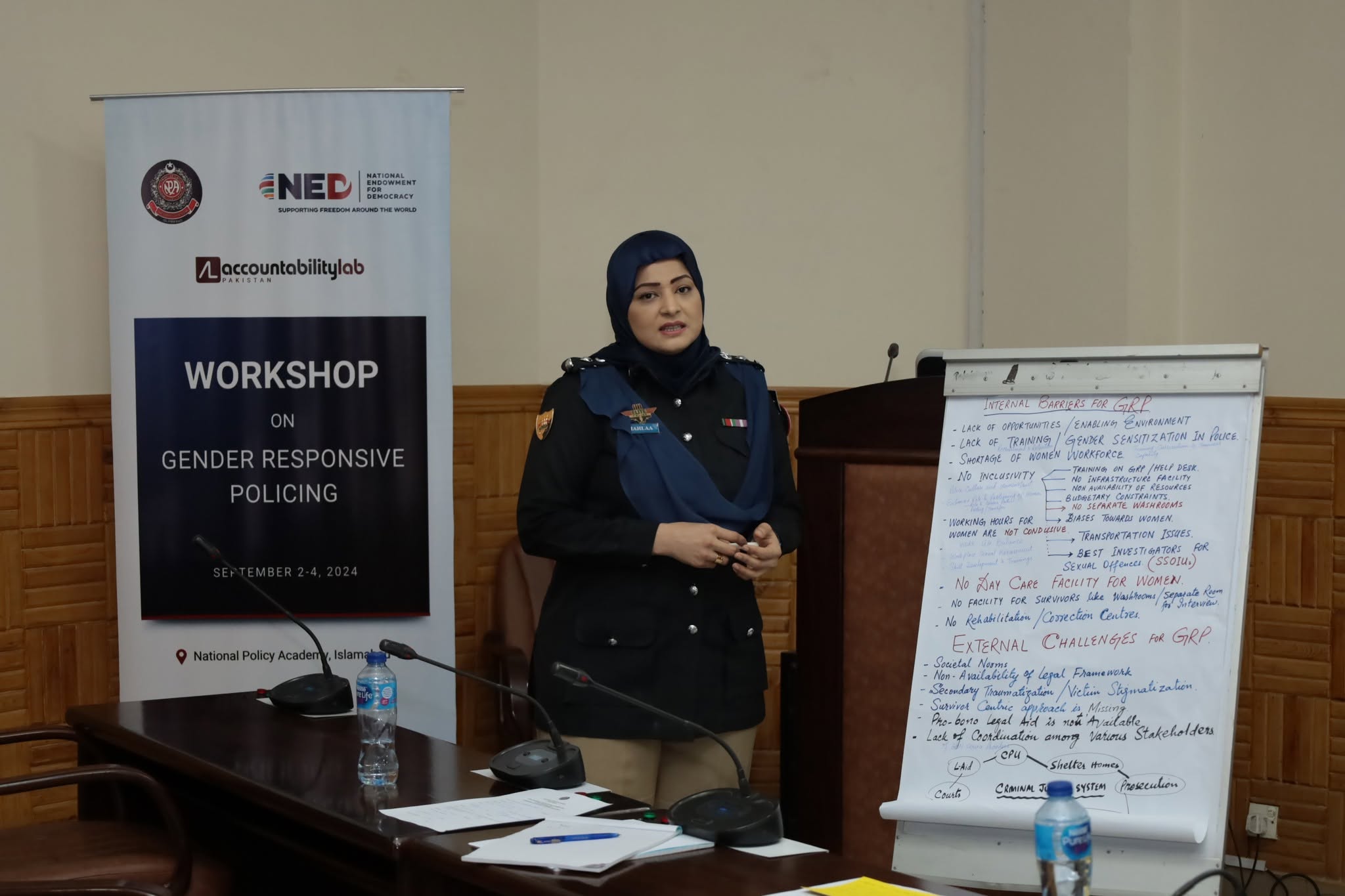
The underrepresentation of women in Pakistan's legal and justice systems is a significant impediment to societal equity and progress. This issue was brought into sharp focus during a recent orientation session organized by UN Women for the Gender Parity Project, to which Accountability Lab Pakistan is an implementing partner. The [...]

Go to Top