Mental Health Access for Women: Cultural Stigma and Systemic Barriers

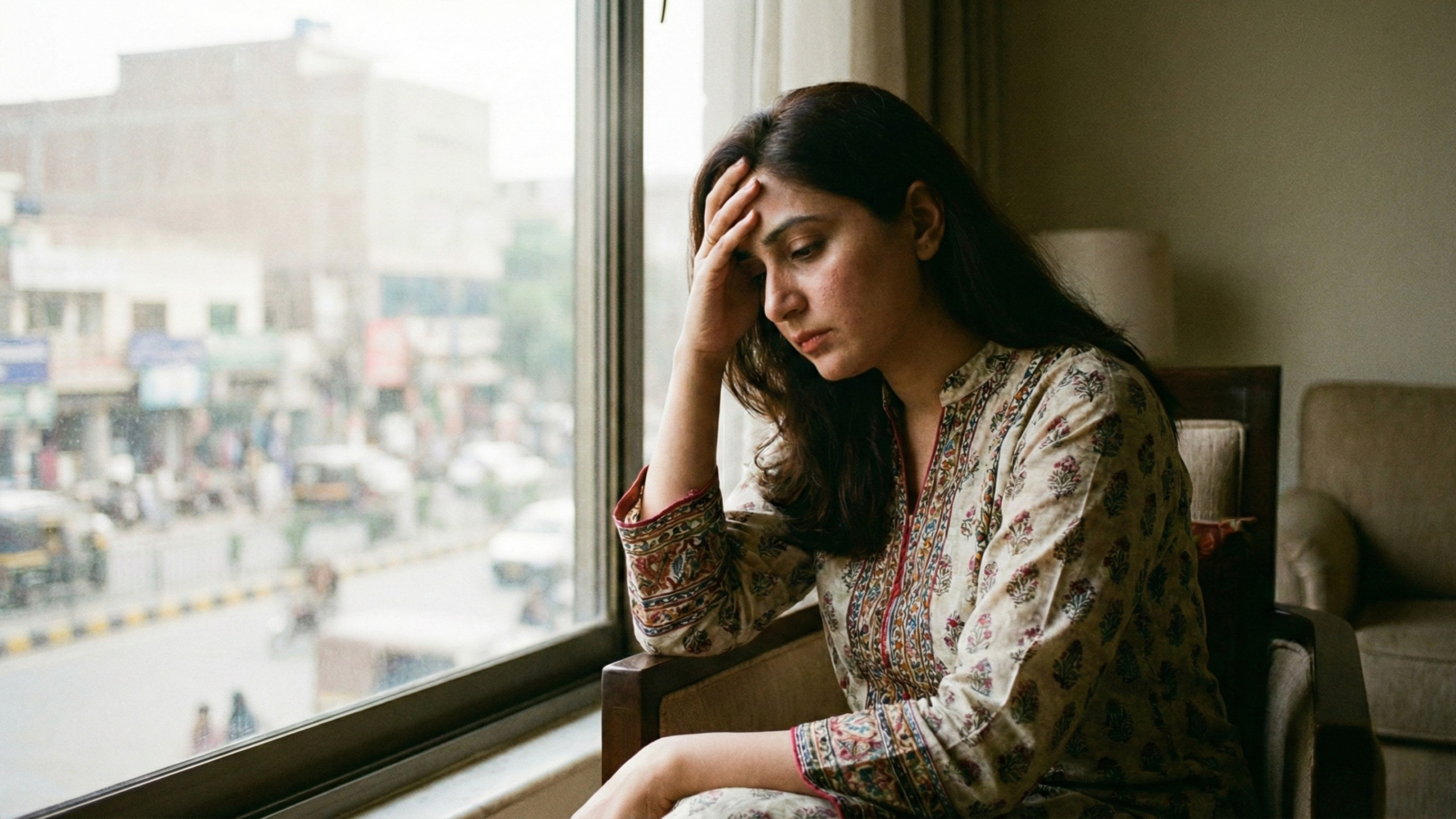
Pakistan’s mental health crisis affects over 45 million people, with women and disaster-affected communities most vulnerable due to stigma, violence, and limited access to care. Cultural norms, gender-based violence, and underdeveloped services worsen the situation, highlighting the urgent need for gender-responsive policies, accessible care, and awareness programs to support women’s mental well-being. Rural areas face the greatest gaps, with few professionals and facilities, while social stigma often prevents women from seeking help. Without immediate attention, untreated mental health conditions risk long-term social, economic, and familial consequences across the country.
By |2026-01-14T13:30:29+05:00January 14, 2026|Gender, Women Empowerment|0 Comments

From Reports to Reality: Why Pakistan Ranks Last in Global Gender Gap Index

Pakistan’s last-place ranking in the World Economic Forum’s 2025 Global Gender Gap Index is not just a statistical failure, it is a moral one. With women making up half the population, the systemic disregard for their safety, representation, and rights continues to deepen. This blog critically unpacks the underlying causes of Pakistan’s worsening gender gap from institutional apathy and under-enforced laws to a culture of impunity that protects aggressors and silences survivors. The thought-piece also calls for meaningful reform: robust implementation of existing laws, better-trained law enforcement, and a cultural shift that centers women’s safety and dignity.

Six Lessons on Enhancing Women’s Representation in Pakistan’s Justice System: Critical Reflections and Challenges

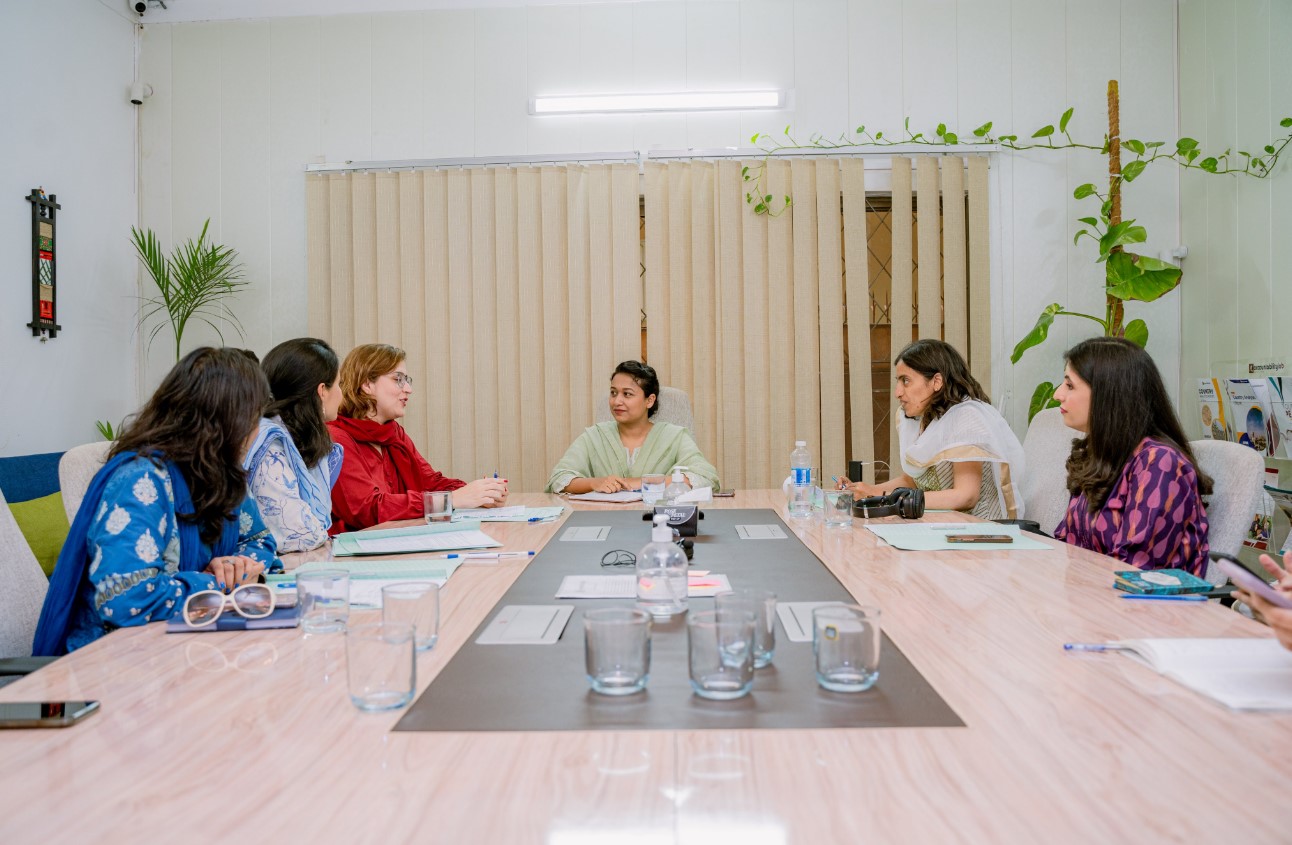
The underrepresentation of women in Pakistan's legal and justice systems is a significant impediment to societal equity and progress. This issue was brought into sharp focus during a recent orientation session organized by UN Women for the Gender Parity Project, to which Accountability Lab Pakistan is an implementing partner. The [...]

Women and Public Spaces in Pakistan

Pakistan has one of the lowest women labor force participation in South Asia, primarily due to the fact that women’s careers, professional growth, creative expression, and mobility are constrained due to the prevalence of patriarchal norms. Historically, Pakistan has always been a male-chauvinistic society, but with changing times and increasing participation of women in the workforce, public spaces need to become much more accessible and safer for women.

The Struggle for Gender Accountability in Pakistan

Naeema Butt is a social entrepreneur from Pakistan, who has been working for the past 11 years to improve gender equity in Pakistan. In particular, her work in the arts is trying to portray how difficult it can be for women to break into certain industries in the country. Naeema’s [...]

By |2022-11-10T13:01:39+05:00August 9, 2019|Arts & Media, Gender|0 Comments
Go to Top