Climate Change and the Water Crisis in Balochistan: Situation Analysis with Focus on Quetta.
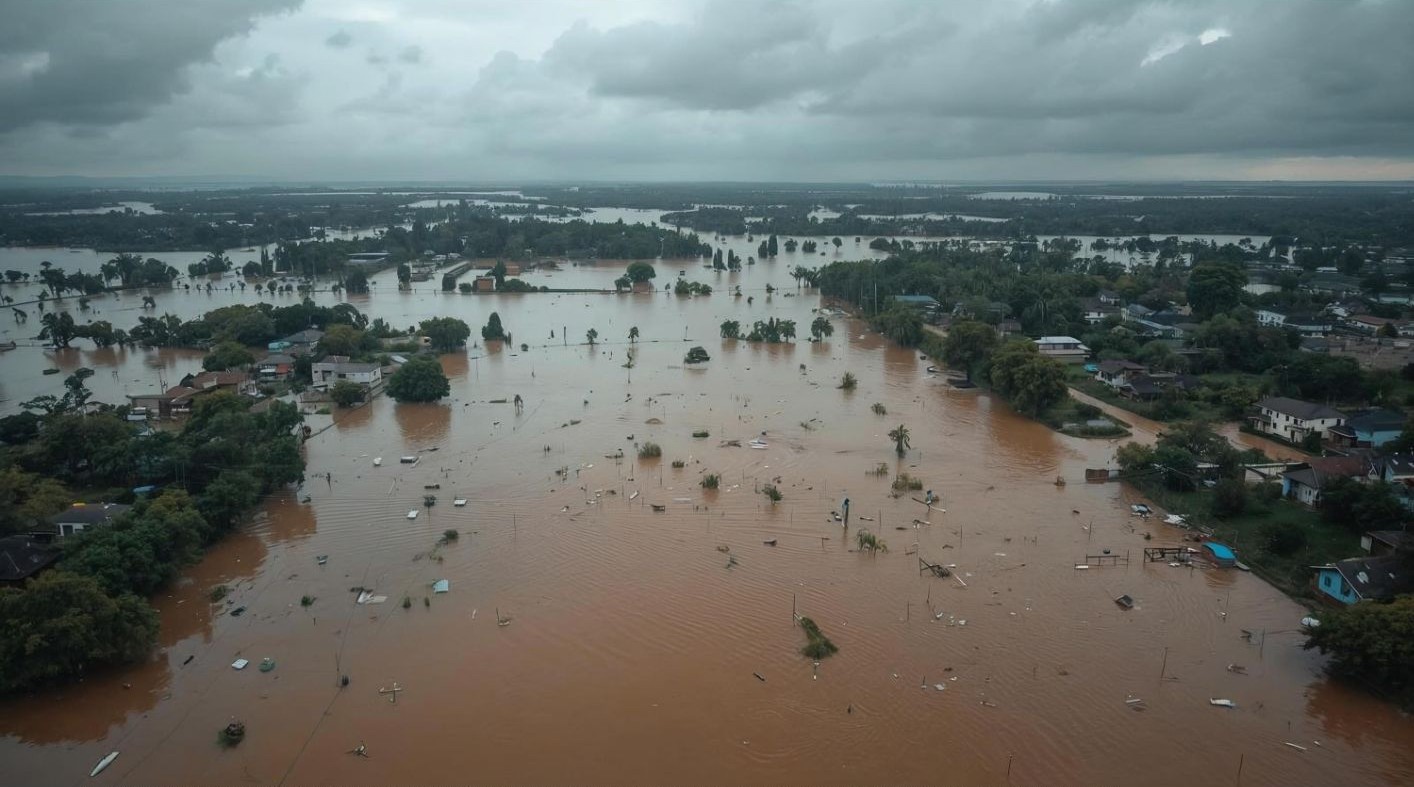
Pakistan’s climate crisis is no longer episodic, sectoral, or abstract. It is systemic. From plastic-choked drains in cities to catastrophic floods, from smog-filled winters to mounting climate debt, Pakistan’s lived climate reality exposes the structural failures of global climate governance and domestic policy incoherence. This advocacy brief synthesises three expert-led public conversations to tell one continuous story of climate change, where material choices, governance gaps, scientific warnings, and global inequities intersect. Drawing on insights from an environmental entrepreneur, Maria Qayyum, a global climate policy practitioner, Aftab Alam, and Pakistan’s Chief Meteorologist, Dr Mohammad Afzal, the brief argues that Pakistan’s climate vulnerability is produced not only by emissions elsewhere but also by policy vacuums, weak accountability, delayed finance, and fragmented institutions at home. At the same time, the conversations reveal a powerful counter-narrative: youth leadership, scientific capacity, grassroots innovation, and policy windows that civil society must urgently seize. This document is written as an advocacy tool. It is designed to help civil society organisations, climate justice networks, and citizen movements sharpen their demands, strengthen their narratives, and anchor their advocacy in evidence, lived experience, and expert insight.