
NEWS
IN BRIEF

Pakistan’s climate crisis is no longer episodic, sectoral, or abstract. It is systemic. From plastic-choked drains in cities to catastrophic floods, from smog-filled winters to mounting climate debt, Pakistan’s lived climate reality exposes the structural failures of global climate governance and domestic policy incoherence. This advocacy brief synthesises three expert-led public conversations to tell one continuous story of climate change, where material choices, governance gaps, scientific warnings, and global inequities intersect.
Drawing on insights from an environmental entrepreneur, Maria Qayyum, a global climate policy practitioner, Aftab Alam, and Pakistan’s Chief Meteorologist, Dr Mohammad Afzal, the brief argues that Pakistan’s climate vulnerability is produced not only by emissions elsewhere but also by policy vacuums, weak accountability, delayed finance, and fragmented institutions at home. At the same time, the conversations reveal a powerful counter-narrative: youth leadership, scientific capacity, grassroots innovation, and policy windows that civil society must urgently seize.
This document is written as an advocacy tool. It is designed to help civil society organisations, climate justice networks, and citizen movements sharpen their demands, strengthen their narratives, and anchor their advocacy in evidence, lived experience, and expert insight.
SHARE
Introduction
Balochistan, Pakistan’s largest province by land area, is among the country’s most water stressed regions. The province’s arid to hyper arid climate, low annual precipitation, and high evaporation rates produce chronic water scarcity. Quetta, the provincial capital, exemplifies this crisis: it depends almost entirely on groundwater due to minimal surface water resources and lack of major perennial rivers, making it extremely vulnerable to climatic shifts and human pressures. Quetta’s water demand far outstrips supply, creating persistent deficits in domestic, agricultural, and industrial use. According to the Government of Balochistan’s Integrated Water Policy (2024), “aridity is a defining feature of Balochistan, making it Pakistan’s least water-endowed province,” and groundwater resources, historically crucial, have been severely over-drawn by high extraction rates. The Balochistan Climate Change Policy also states that “over-exploitation of groundwater has led to depletion of aquifers and reduced water availability,” and the provincial government plans to regulate extraction and promote sustainable use.
Water Scarcity and Stress in Quetta
Quetta’s water crisis is defined by acute groundwater depletion and inadequate urban water supply. Over the past decade, groundwater levels in the Quetta basin have declined precipitously; experts report drops of between 3 to 4 feet annually in recent years. Groundwater that once lay at depths of several hundred feet now frequently requires drilling ~1,000–2,000 feet to access, Balochistan Human Capital Investment Project – Environmental and Social Management Framework (ESMF). Groundwater table data shows water levels in Quetta between ~1,000–2,000 feet. The city’s daily water requirement (approximately 61 million gallons per day according to some water authority data) far exceeds what municipal systems can provide, forcing residents to depend on private tankers and informal markets at high cost[1]. In Quetta, chronic shortfalls in municipal water provision have resulted in widespread reliance on private tanker services and informal water markets, shifting a growing share of household expenditure toward basic water needs and disproportionately affecting low-income households.
Climate Change and Water Resources in Balochistan
Balochistan’s climate is characterized by extreme heat, persistent droughts, and erratic rainfall patterns that are exacerbated by climate change. Climate modelling and regional assessments indicate increasing temperature trends, greater variability in precipitation, and heightened frequency of both droughts and intense rainfall events (leading to flash floods). These climatic shifts disrupt traditional water availability patterns and intensify water stress. According to the Government of Balochistan’s Climate Change Policy (2024), heatwaves are increasingly problematic in the province and erratic rainfall patterns are influencing hydrological extremes such as droughts and floods, highlighting a shift in climatic patterns linked to warming.
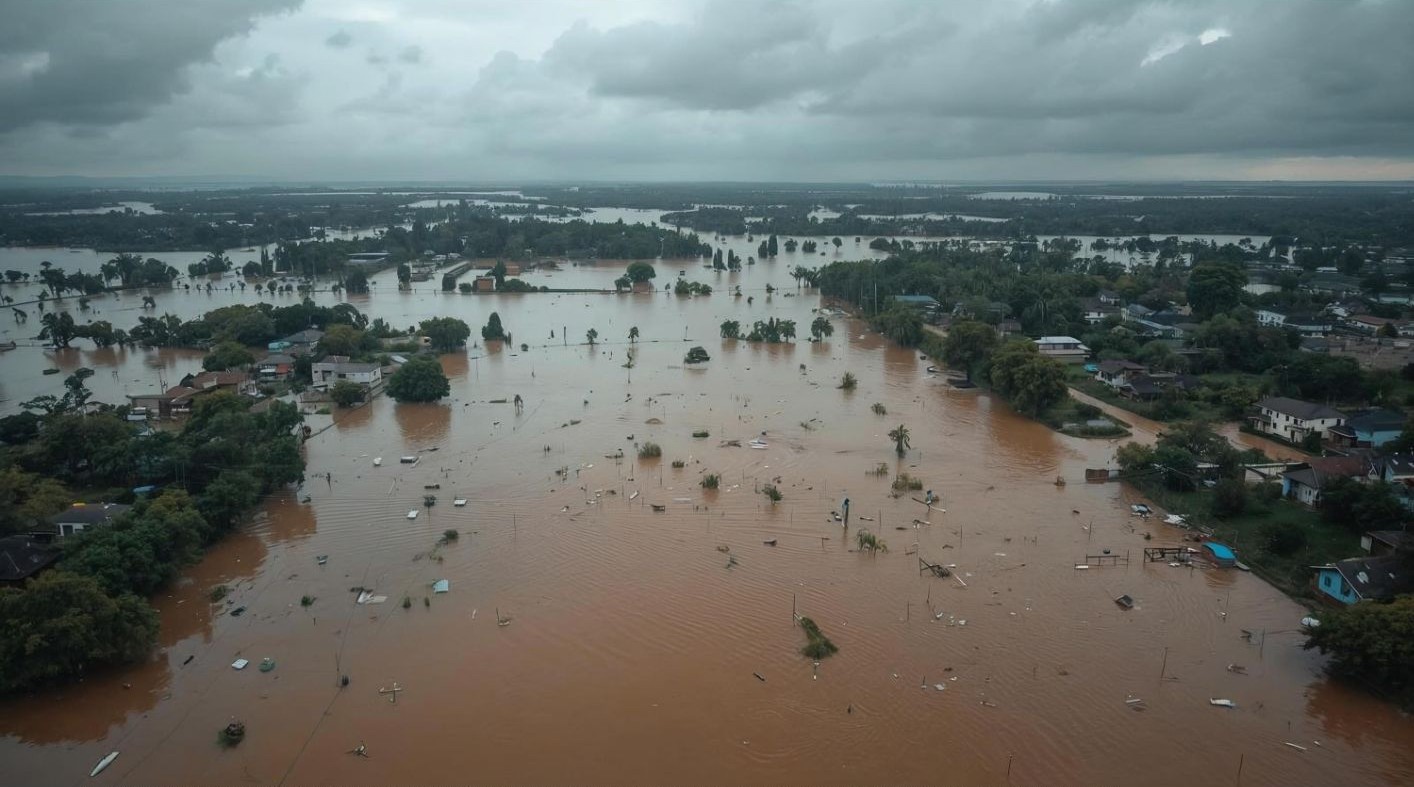
Groundwater remains the province’s principal water source, but uncontrolled extraction far exceeds natural recharge, driving severe declines in aquifers across basins including Pishin, Loralai, Zhob, and Nari. Meanwhile, limited surface water storage infrastructure fails to capture and store sporadic rainfall or floodwater, leaving vast amounts of runoff unused and contributing to both scarcity and downstream flooding risks. The 2011 floods in northern and central Balochistan resulted from intense rain over several days, washing away homes and inundating large areas around Quetta, Nushki, and surrounding districts illustrating the province’s vulnerability to flash flood events. Torrential rains during the monsoon season lead to flash floods… causing extensive damage to houses, standing crops, orchards, livestock and water supply schemes affecting thousands of people.”[2]
Socio Economic Impacts
Water scarcity intersects with socioeconomic vulnerabilities. Agriculture still a major source of livelihood for much of rural Balochistan suffers from unreliable water supplies and shrinking groundwater, with farmers reporting lower crop yields and increased risk of crop failure. Reduced water availability also intensifies rural urban migration, pressures urban utility systems, and raises health and sanitation challenges where safe drinking water is inaccessible. Water scarcity intersects with socioeconomic vulnerabilities in rural Balochistan. Agriculture remains a central livelihood for many households, but unreliable water supplies and shrinking groundwater have significantly impacted key crops. Farmers in areas such as Zhob report that wheat and maize yields have dropped sharply or failed entirely when rain and irrigation water were absent, while producers of apples, grapes, and dates in districts like Pishin, Mastung, Turbat, and Panjgur describe sharply reduced harvests and lower crop quality due to water shortages and heat stress.[3]
Government Plans and Policy Initiatives
To address climate and water stress, the Government of Balochistan has adopted several strategic frameworks and implemented targeted projects:
- Balochistan Climate Change Policy (2024) This policy articulates the province’s approach to climate adaptation and resilience, with water resources management as a key pillar. It prioritizes sustainable groundwater use, Integrated Water Resource Management (IWRM), and institutional strengthening for climate action. This policy sets the strategic foundation for linking climate change adaptation with water security, signaling government prioritization of both resource sustainability and systemic capacity building.
- Balochistan Integrated Water Resources Management Policy (IWRM Policy) A complementary policy framework outlines reforms for statutory water rights, basin level planning, and coordinated surface and groundwater management. The policy complements climate policy by providing operational and legal mechanisms to implement sustainable water management, particularly important for aquifer recharge, irrigation planning, and flood/drought mitigation.
- Balochistan Water Resources Development Project (ADB Assisted) Backed by the Asian Development Bank, this project incorporates digital tools such as the Balochistan Water Resources Information System (BWRIS) and Automatic Weather Stations (AWS) to improve real time monitoring, irrigation scheduling, and flood/drought forecasting. Additional financing has been approved to extend infrastructure works, expand dam storage and watershed management, improve irrigation efficiency, and enhance service delivery in command areas. This project operationalizes both policy and technical solutions, linking data-driven water management with practical interventions to enhance climate resilience and agricultural productivity.
- Surface Water Storage Investments Projects such as Siri Toi Dam and revival of others aim to build bulk storage capacity, support irrigation, and regulate seasonal flows. These investments address structural gaps in water infrastructure, enabling the province to store and utilize sporadic rainfall effectively, which is crucial for both agricultural sustainability and downstream flood mitigation.
Challenges with Implementation
Despite these initiatives, several constraints limit their effectiveness:
Institutional Weaknesses: Coordination among departments and enforcement of water extraction regulations remain weak, undermining sustainable management goals. Despite progressive policies, water management in Balochistan is constrained by weak institutional coordination, fragmented planning, and poor enforcement, as integrated data systems were only recently introduced and governance capacity remains limited.[4]
- Infrastructure & Storage Deficits: Existing dams and storage schemes are often small, incomplete, or insufficient to handle the province’s storage needs or mitigate flood events effectively. Existing storage and conveyance infrastructure is insufficient: older dams have underperformed and many seasonal flows remain unharvested, while urban systems such as Quetta’s WASA struggle to meet demand due to pipeline decay and storage deficits.[5]
- Policy Fragmentation: Multiple policies exist on paper, but integration into actionable, funded programmes at district and community levels is inconsistent. Although the province has multiple water and climate policies, translating them into actionable, funded programs at district and community levels has been inconsistent, with key initiatives such as the Kechi Canal remaining unfinished after over a decade.
- Data and Capacity Gaps: While digital systems improve visibility, technical capacity at provincial and local levels to translate data into planning and response actions is limited. While digital systems such as BWRIS and Automatic Weather Stations enhance data availability, provincial and local bodies still face capacity gaps in converting data into operational planning and response actions.[6]
- Climate Extremes: The dual challenge of prolonged drought and episodic floods requires flexible responses; current systems remain oriented toward drought and lack comprehensive flood risk mitigation measures. Balochistan’s dual exposure to prolonged drought and episodic floods — with floodwater forming a substantial but under‑utilized portion of total available water places competing demands on water management systems that are currently better oriented to drought response than comprehensive flood risk mitigation.[7]
A Holistic Water and Climate Resilience Plan
A comprehensive strategy to address Balochistan’s water and climate vulnerabilities should integrate the following components:
- Strengthened Integrated Water Management; Establish robust legal and institutional frameworks enabling basin level planning, enforceable groundwater rights, and coordinated surface and subsurface water allocation.
- Enhanced Storage and Recharge; Construct and operationalize medium scale reservoirs and managed aquifer recharge systems; prioritize floodwater capture structures to harness episodic high flows.
- Smart Infrastructure and Technology: Scaling up the Balochistan Water Resources Information System (BWRIS) and Automatic Weather Stations (AWS) province-wide offers an opportunity to integrate early warning systems and climate services into routine water planning. Achieving this requires not only the deployment of sensors, real-time monitoring, and data analytics platforms but also enhancing technical and analytical capacity at provincial and district levels. Staff must be trained to interpret hydrological and climate data, use forecasting tools for irrigation scheduling and flood/drought preparedness, and translate these insights into actionable interventions for both urban and agricultural water management. Strengthening this capacity ensures that the digital infrastructure delivers tangible benefits in resilience, efficiency, and climate-informed decision-making.Agricultural Water Efficiency; Promote efficient irrigation systems (drip, sprinkler), drought tolerant crops, and soil moisture management to reduce field water demand.
- Urban System Reform: Modernize urban distribution networks with metering and loss reduction and invest in decentralized water supply solutions (rainwater harvesting, wastewater reuse).
- Climate Risk Management; Develop flood risk management infrastructure, land use planning that avoids settlement in flood prone zones, and emergency response systems linked to predictive climate models.
Policy Recommendations
To improve water security and climate resilience in Balochistan, policymakers should:
- Enact and enforce groundwater regulation at the provincial and district level, establishing clear permitting, extraction limits, and monitoring mechanisms tailored to basins such as Pishin‑Lora, Nari, and Zhob, where over-abstraction is most acute.
- Invest in integrated surface and groundwater storage infrastructure, including completion of dams like Siri Toi and small-scale reservoirs, to capture both seasonal rainfall and floodwaters for irrigation and municipal use.
- Integrate climate risk assessments into all water infrastructure planning and budgeting, ensuring that projects account for Balochistan’s dual exposure to prolonged droughts and episodic floods.
- Strengthen provincial institutional capacities by providing technical expertise, digital data analytics training (e.g., BWRIS and AWS), and cross-sector coordination between irrigation, agriculture, and disaster management departments.
- Promote community-led water stewardship programs, empowering local councils, farmer associations, and urban water committees to monitor water use, maintain infrastructure, and make localized water management decisions.
- Facilitate adoption of water-efficient agricultural practices, including drip and sprinkler irrigation, drought-resistant crop varieties, and agronomic training, supported through subsidies, incentives, and active extension services in high-risk districts.
Conclusion
Balochistan’s water crisis highlights the urgent intersection of climate change, groundwater depletion, and socio-economic vulnerability. Without immediate and coordinated action, continued over-extraction, inadequate infrastructure, and unpreparedness for droughts and flash floods will threaten agricultural productivity, urban water supply, and the livelihoods of millions. Urgent next steps include enforcing groundwater regulations, expanding surface and groundwater storage, mainstreaming climate risk in planning, and strengthening institutional and community capacity. Success should be measured by reduced groundwater decline rates, improved irrigation efficiency, increased storage utilization, and enhanced resilience of farming and urban communities. Only through integrated, adaptive, and locally-informed water resource planning can Balochistan secure water for its people, protect livelihoods, and buffer the province against the growing impacts of climate extremes.
About the Author
Abdul Qadir Khan Nasar is a Development Sector Professional and can be reached at aqkgamni78@gmail.com