
NEWS
IN BRIEF

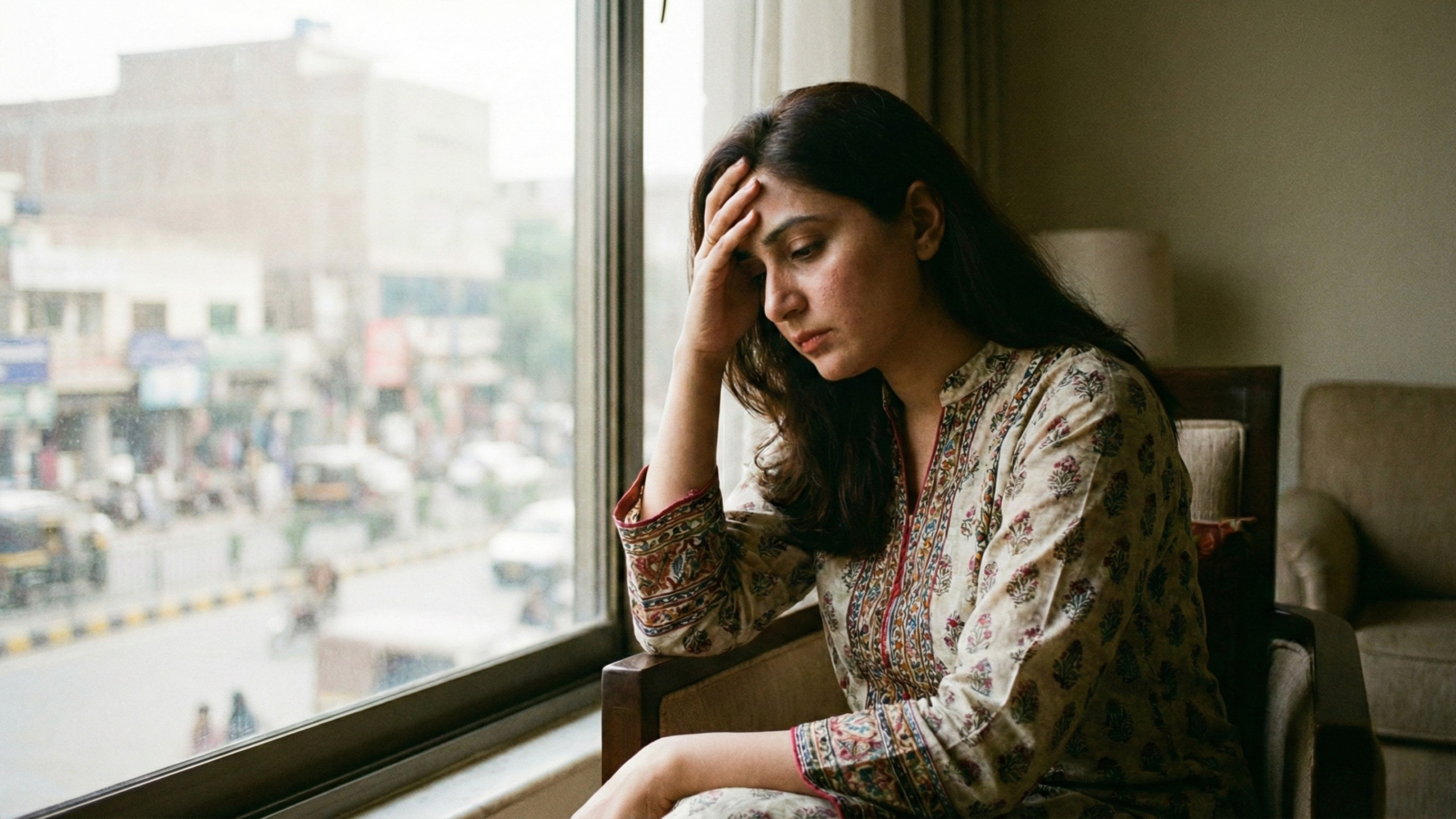
Pakistan’s mental health crisis affects over 45 million people, with women and disaster-affected communities most vulnerable due to stigma, violence, and limited access to care. Cultural norms, gender-based violence, and underdeveloped services worsen the situation, highlighting the urgent need for gender-responsive policies, accessible care, and awareness programs to support women’s mental well-being. Rural areas face the greatest gaps, with few professionals and facilities, while social stigma often prevents women from seeking help. Without immediate attention, untreated mental health conditions risk long-term social, economic, and familial consequences across the country.
SHARE
Pakistan’s growing mental health crisis demands urgent attention. An estimated 45.5 million people suffer from conditions like depression, anxiety, and schizophrenia, yet the country has only about 500 psychiatrists for over 240 million people. Youth and disaster-affected communities are particularly vulnerable, facing rising stress, trauma, and suicide rates.
Globally, 1 in 5 women experiences common mental health issues such as depression and anxiety, while in Pakistan, over 37% of women show signs of depression. The situation is even more severe in rural areas, where more than 60% of women face untreated mental health conditions, often compounded by societal pressures to remain silent and resilient. These figures underscore the urgent need for enhanced mental health awareness and accessible support services for women in Pakistan.
Mental health services in Pakistan are severely underdeveloped due to limited resources and insufficient attention within government planning. Mental health receives only about 1% of the national health budget, with roughly 1 psychiatrist per 0.5–1 million people and very few psychologists, while psychiatric social workers are nonexistent. Most professionals and facilities are concentrated in urban areas, leaving rural populations largely underserved. The country has 3,729 mental health facilities, with only 46% providing community-based services, and five mental hospitals with 1.9 beds per 100,000 people, highlighting the critical gaps in access to care.
In Pakistan, women’s mental health is deeply affected by cultural norms, social practices, and systemic gender-based violence. Practices such as honor killings, dowry demands, Watta Satta, forced or child marriages, and patriarchal family structures place women under severe psychological stress, especially in rural areas. Domestic violence, stove-burning incidents, acid attacks, and marital conflicts contribute to high rates of depression, anxiety, and other mental health issues. Limited mobility, restricted access to education and employment, and social stigma further exacerbate these challenges. Children exposed to domestic violence also face emotional and behavioral problems. While urban women have made some progress, the majority of women remain vulnerable, highlighting the urgent need for women-friendly laws, mental health support, awareness programs, and social reforms to safeguard women’s well-being and rights in Pakistan.
Mental health concerns among women and girls were widespread in the flood-affected areas. In Buner and Shangla, many women and girls were reported to need psychosocial support, while in Swat women were described as distressed. Displacement, loss of family members, and increased caregiving responsibilities caused significant emotional stress for women. Adolescent girls experienced trauma due to the destruction of homes and disruption of their education. The sudden floods and loss of lives in Buner and Shangla further intensified psychological distress. Despite these needs, structured psychosocial support services for women and girls remain largely absent. Urgent, gender and age sensitive mental health support is needed to aid recovery.
Cultural stigma plays a major role in shaping women’s mental health experiences in Pakistan. Mental illness is often viewed as a source of shame and weakness, with derogatory labels such as “paagal” commonly used, which discourages women from acknowledging their struggles or seeking professional help. The fear of social judgment and the deeply rooted “log kya kahenge” mindset pressure families to hide mental health issues to protect their reputation, often at the cost of a woman’s well-being. Women with mental health conditions are more likely to be stigmatized than men, face blame or moral judgment, and be considered unsuitable for marriage or family roles. As a result, mental health problems are frequently minimized, misunderstood as mere sadness, or addressed through silence rather than care, reinforcing isolation and delaying treatment.
Cultural stigma and systemic barriers often limit women’s access to mental health care, but Accountability Lab’s initiatives show that including women in decision-making can drive real change. Through Gov-HER-Nance in Mardan, Nowshera, and Peshawar, women gained leadership, advocacy, and general health awareness skills, allowing them to address physical well-being, challenge harmful myths, and engage authorities on accessible, gender-sensitive health services.
In addition, Civic Action Teams (CivActs) and citizen helpdesks provided safe spaces for communities to report gaps in health support and stigma-related discrimination. These efforts helped normalize conversations around women’s health and strengthened women’s confidence. Collectively, these initiatives demonstrate that empowering women leads to more inclusive, responsive, and effective public health services.
Pakistan’s mental health crisis disproportionately affects women due to cultural stigma, social exclusion, and limited access to care. Addressing this requires gender-responsive policies, accessible and culturally appropriate services, and inclusive governance that empowers women to shape mental health systems rather than endure neglect.
About Author:
Ayesha Saleem is a Project Assistant at Accountability Lab Pakistan and can be reached at ayesha@accountabilitylab.org