
NEWS
IN BRIEF

Pakistan’s environmental health crisis disproportionately affects women, who face heightened risks from floods, air pollution, contaminated water, and climate change–related disasters. Women bear the brunt of domestic and caregiving responsibilities, exposing them to respiratory, reproductive, and waterborne illnesses. Unsafe water and poor sanitation further amplify these burdens, particularly during floods and in low-income settlements. Climate change intensifies these hazards, increasing floods, droughts, and extreme weather events that threaten lives and livelihoods. Addressing these challenges requires gender-responsive policies and inclusive governance that integrate women’s experiences into environmental and health planning.
SHARE
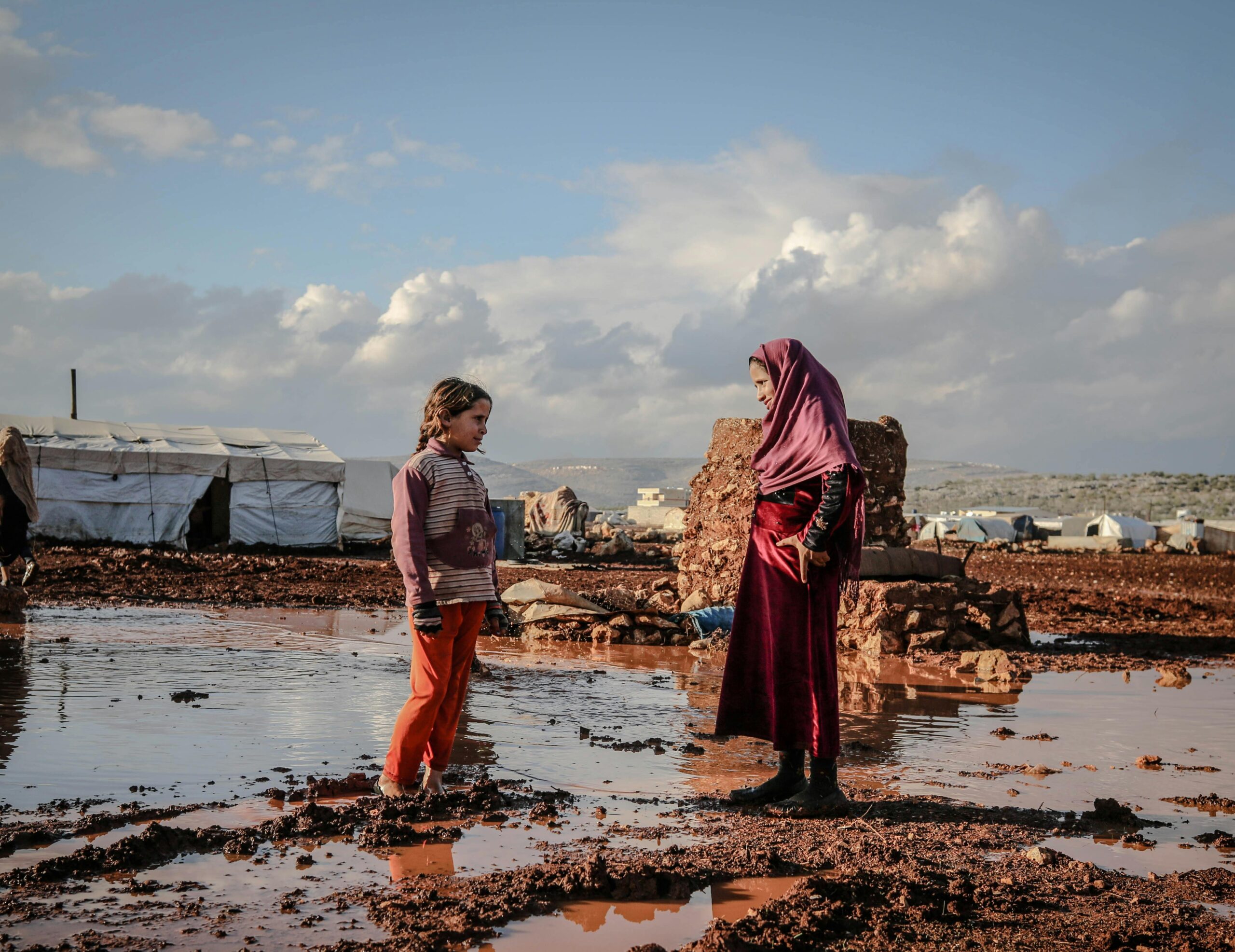
Environmental health risks in Pakistan are not abstract statistics. On the outskirts of Jaffarabad, Balochistan, rainwater once used for crops now sits in mud pits that stretch to the horizon, turning rivers that once sustained life into stagnant pools that breed disease. When these waters rise, it is women who lose first and recover last, their homes, their safety, and their access to essential health services are disproportionately affected. This lived reality makes clear that environmental hazards are not gender-neutral, and understanding their impact requires looking through a gendered lens.
Air pollution in Pakistan is visible and severe, with major cities frequently shrouded in smog that makes breathing difficult. Lahore and Karachi have repeatedly ranked among the worst polluted cities in the world, with air quality often reaching “very unhealthy” or “hazardous” levels. This pollution affects everyone, but women are particularly vulnerable. Many women spend long hours cooking indoors with poor ventilation or caring for children and elderly family members, exposing them to both indoor and outdoor pollutants. Chronic exposure increases the risk of respiratory illnesses, cardiovascular problems, and complications during pregnancy, showing that environmental hazards are not gender-neutral. These health risks are intensified when combined with unsafe water, which remains a persistent threat across the country.
Water contamination and scarcity add another layer to this crisis, directly affecting women’s daily lives. Groundwater depletion, industrial discharge, agricultural runoff, and inadequate sanitation have left many communities without access to safe water, a burden that largely falls on women, who often travel long distances to fetch water for their families. Globally, women and girls spend over 200 million hours per day collecting water; in Pakistan, this averages 1,260 hours per household per year. Contaminated water contributes to diarrhoeal diseases, E. coli infections, and other preventable illnesses, disproportionately affecting women and children, who bear the responsibility of caring for sick family members. This intersection of environmental and domestic burdens is further compounded when climate change intensifies floods, droughts, and extreme weather.
The changing climate is magnifying both air and water risks. Glacial lakes are forming and threatening sudden outbursts; rivers swell unpredictably, and monsoon rains have grown more intense. Over 10,000 glaciers have receded in recent decades, raising flood risks across northern valleys. The 2025 monsoon season saw unprecedented flooding, resulting in over 1,000 deaths and affecting nearly 7 million people. These floods, intensified by 10–15 percent higher rainfall due to human-caused climate change, destroyed homes, disrupted health services, and devastated livelihoods. Women of reproductive age face acute health risks during these disasters, with UNFPA estimates indicating that millions are forced into crisis conditions, including over 128,000 pregnant women in urgent need of care. When water and sanitation infrastructure collapses, women bear the compounded burden of disease exposure, reproductive risks, and care-giving responsibilities.
These pressures are magnified in crowded relief camps and urban low-income settlements. Flooded landscapes become breeding grounds for water-borne and vector-borne diseases such as cholera, malaria, and dengue, while women often lack privacy, latrines, and menstrual hygiene supplies. Environmental hazards intersect with pre-existing inequalities, exacerbating burdens on women who already face social, economic, and health disparities.
Recognizing the challenges women face in accessing health and environmental services, Accountability Lab’s work shows how including them in decision-making can transform communities. Through Gov-HER-Nance in Mardan, Nowshera, and Peshawar, over 2,500 women gained leadership, advocacy, and health awareness skills, reaching 1.5 million people indirectly. The initiative has enabled women to raise their concerns with local authorities, challenge misinformation, and help improve access to essential health and social services. Alongside this, Civic Action Teams (CivActs) and citizen help-desks gave communities a way to highlight gaps in health, education, and public services. These efforts demonstrate that when women’s voices are heard, services respond to real needs, and environmental and health interventions become more practical, equitable, and impactful for those who experience these challenges most directly.
Pakistan’s environmental health crisis is deeply gendered, with women bearing the heaviest health, economic, and social burdens. Effective solutions require gender-responsive policies that integrate women’s experiences into air quality, water, disaster, and health planning, alongside inclusive governance to ensure they help shape solutions rather than just endure the impacts.
About the Author
Momal Nawab is Programs Associate at Accountability Lab Pakistan and can be reached at momal@accountabilitylab.org