
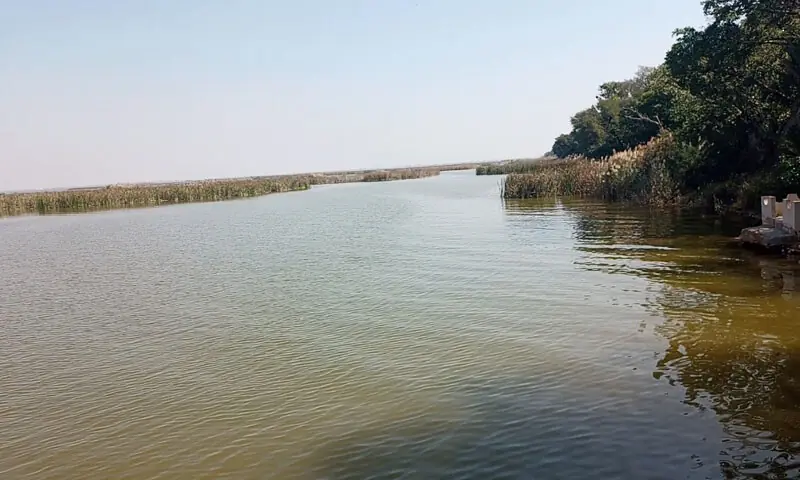
Haleji Lake Faces Ecological Decline as Migratory Birds Vanish

Haleji Lake, once a lifeline for migratory birds and rich biodiversity, is rapidly deteriorating as freshwater inflows cease and pollution rises. The environmental crisis has halved bird populations and placed the lake’s ecological future at risk.

By |2026-02-16T17:16:04+05:00February 16, 2026|Climate Journalism|0 Comments

World Wetlands Day: Haleji Lake faces ecological crisis

Once a glittering sanctuary for Siberian migratory birds, Haleji Lake Pakistan’s first man-made reservoir is now grappling with a severe ecological crisis. With freshwater inflows from the Indus River halted since 2018, the Ramsar-certified wetland has shrunk into a stagnant, polluted water body, triggering a sharp decline in bird populations along the Indus Flyway. Even though the lake remains home to Pakistan’s largest crocodile population, experts warn that without restoring natural water flows and addressing habitat degradation, Haleji’s fragile ecosystem may face irreversible damage.

By |2026-02-12T13:51:24+05:00February 12, 2026|Climate Journalism|0 Comments

World Wetlands Day: Pakistan’s first man-made lake faces ecological crisis

On World Wetlands Day, Haleji Lake — Pakistan’s first man-made reservoir and once a winter haven for Siberian migratory birds — stands at the center of a deepening ecological crisis. With Indus River inflows halted for eight years, water levels have plummeted, habitats have degraded, and bird populations have sharply declined. Even as the lake remains home to the country’s largest crocodile population, experts warn that without urgent restoration of freshwater supply and stronger conservation efforts, this Ramsar-certified wetland could lose its rich biodiversity and ecological significance.

By |2026-02-12T13:31:52+05:00February 12, 2026|Climate Journalism|0 Comments

Haleji Lake begs for attention on World Wetlands Day

Once a thriving freshwater reservoir and a sanctuary for thousands of migratory birds, Haleji Lake is now facing a slow and alarming decline. Despite its lush green surroundings and Ramsar-protected status, the lake has suffered from eight years of halted Indus inflows, turning it into a stagnant and shrinking water body. As water levels drop, biodiversity, bird populations, and local livelihoods are increasingly at risk raising urgent questions about wetland conservation, governance gaps, and Pakistan’s commitment to protecting its natural heritage.

By |2026-02-12T12:11:07+05:00February 12, 2026|Climate Journalism|0 Comments
Go to Top