سندھ کی ابھرتی کاربن مارکیٹ کا جنگلات، لوگوں کو کیا فائدہ ہو رہا ہے؟
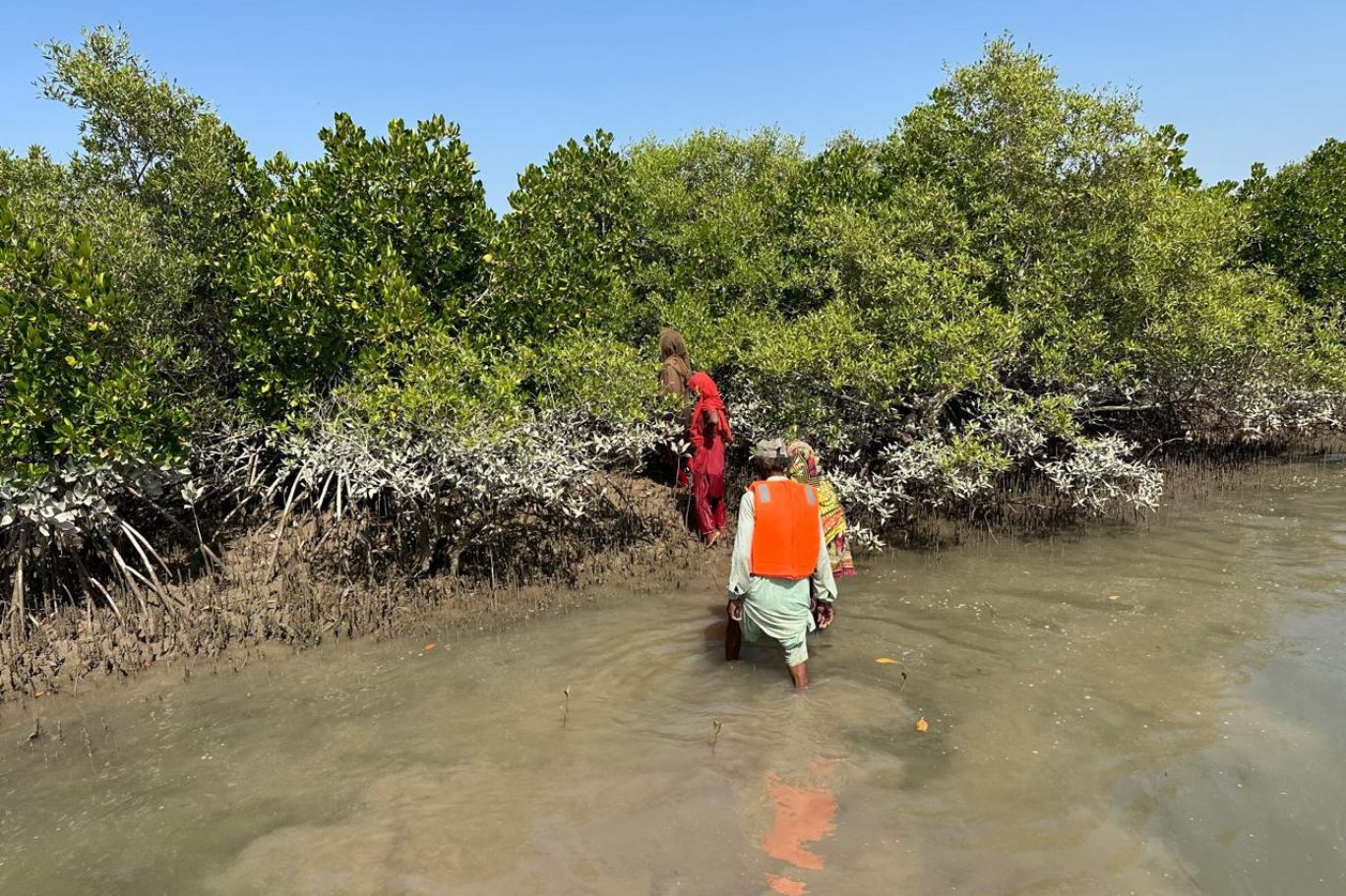
ڈیلٹا بلیو کاربن منصوبے سے پاکستان عالمی کاربن مارکیٹ میں اپنی جگہ بنا چکا ہے لیکن مقامی سطح پر اصل تبدیلی تب ہی نظر آئے گی جب اس کے ثمرات مساوی طور پر مقامی آبادی تک منتقل ہوں گے۔

ڈیلٹا بلیو کاربن منصوبے سے پاکستان عالمی کاربن مارکیٹ میں اپنی جگہ بنا چکا ہے لیکن مقامی سطح پر اصل تبدیلی تب ہی نظر آئے گی جب اس کے ثمرات مساوی طور پر مقامی آبادی تک منتقل ہوں گے۔
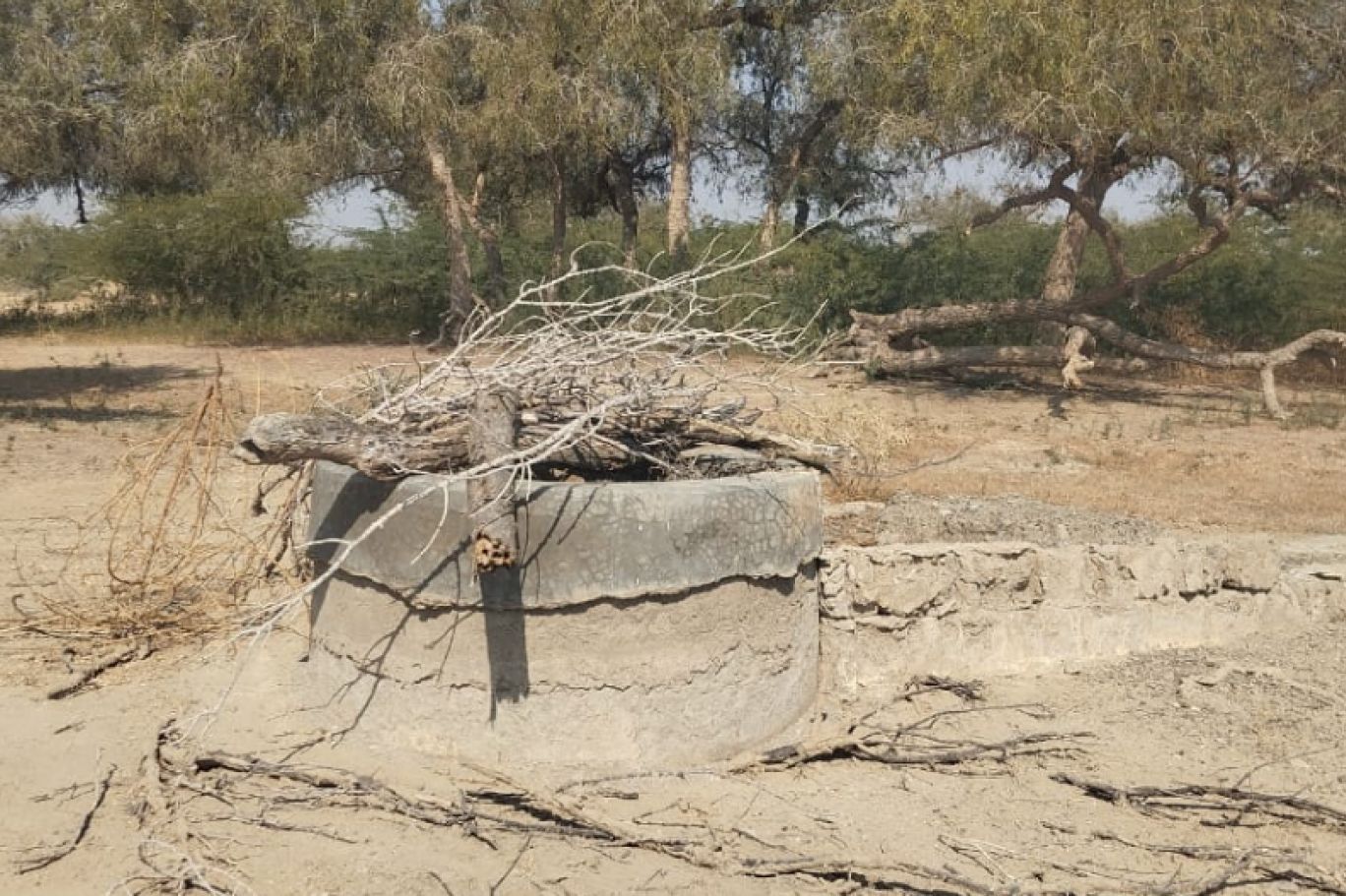
بلوچستان کے ضلع لسبیلہ کی تحصیل اوتھل میں واقع گاﺅں دریگا کیواری میں چاروں جانب دھوپ سے جھلسی جھاڑ جھنکاڑ، پتوں سے محروم ٹنڈ منڈ درخت اور سینکڑوں ایکڑ پر لگی ارنڈی کی جلی ہوئی فصلیں آبی بحران کی داستان سناتی نظر آتی ہیں۔
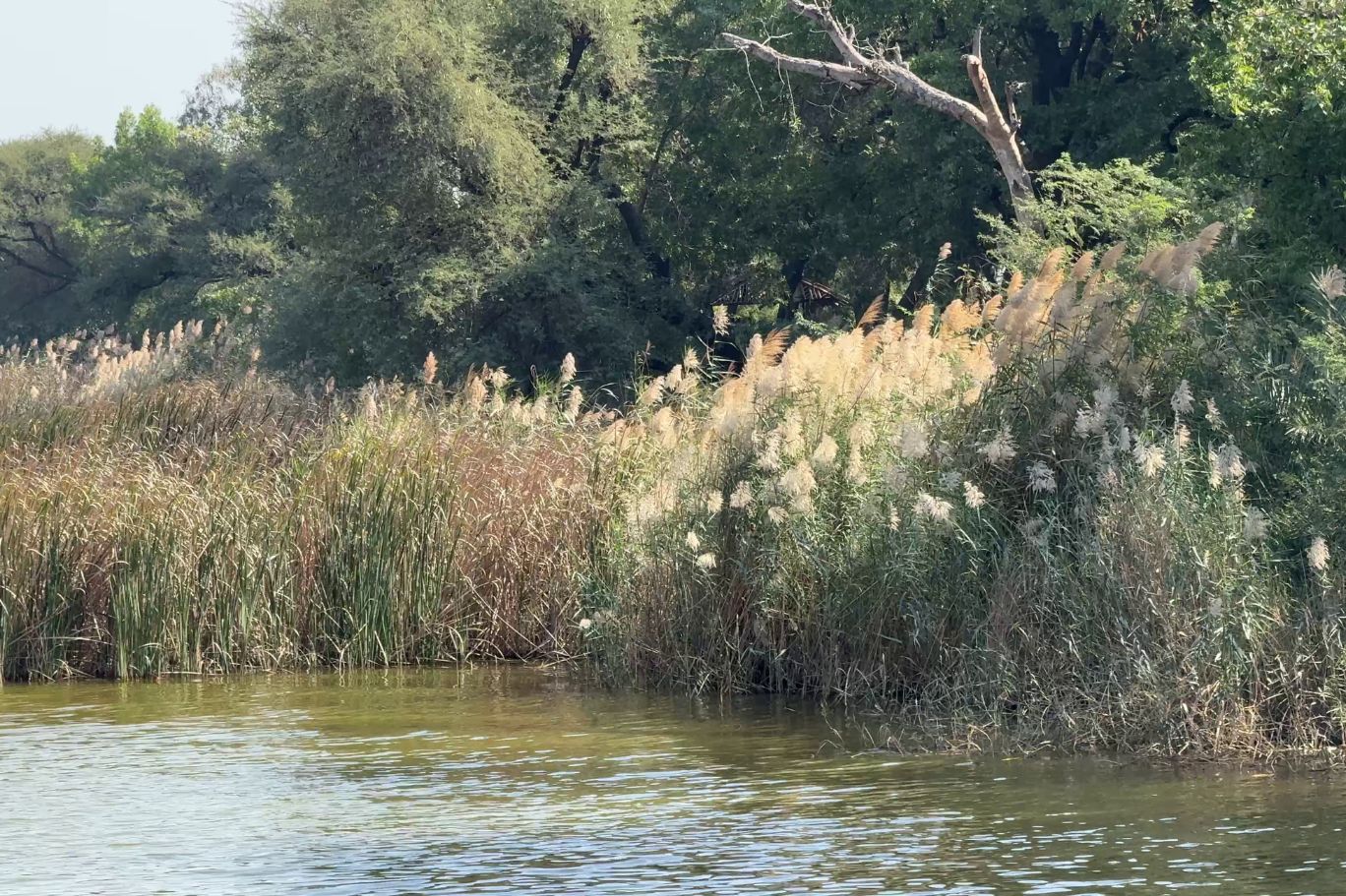
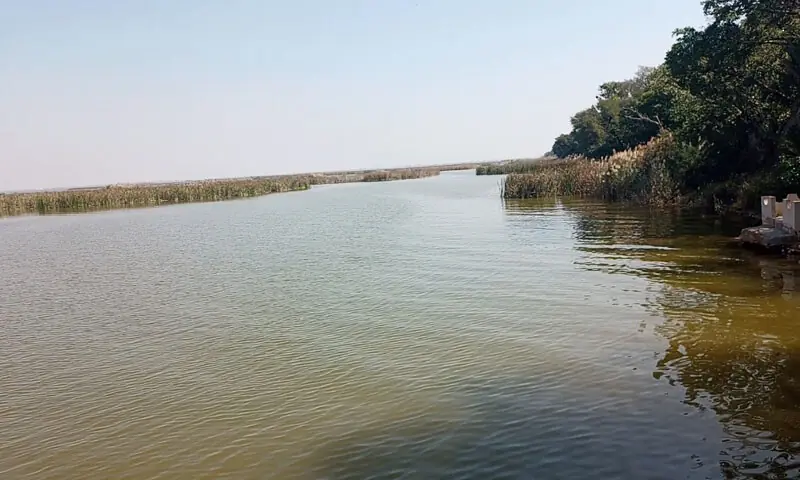
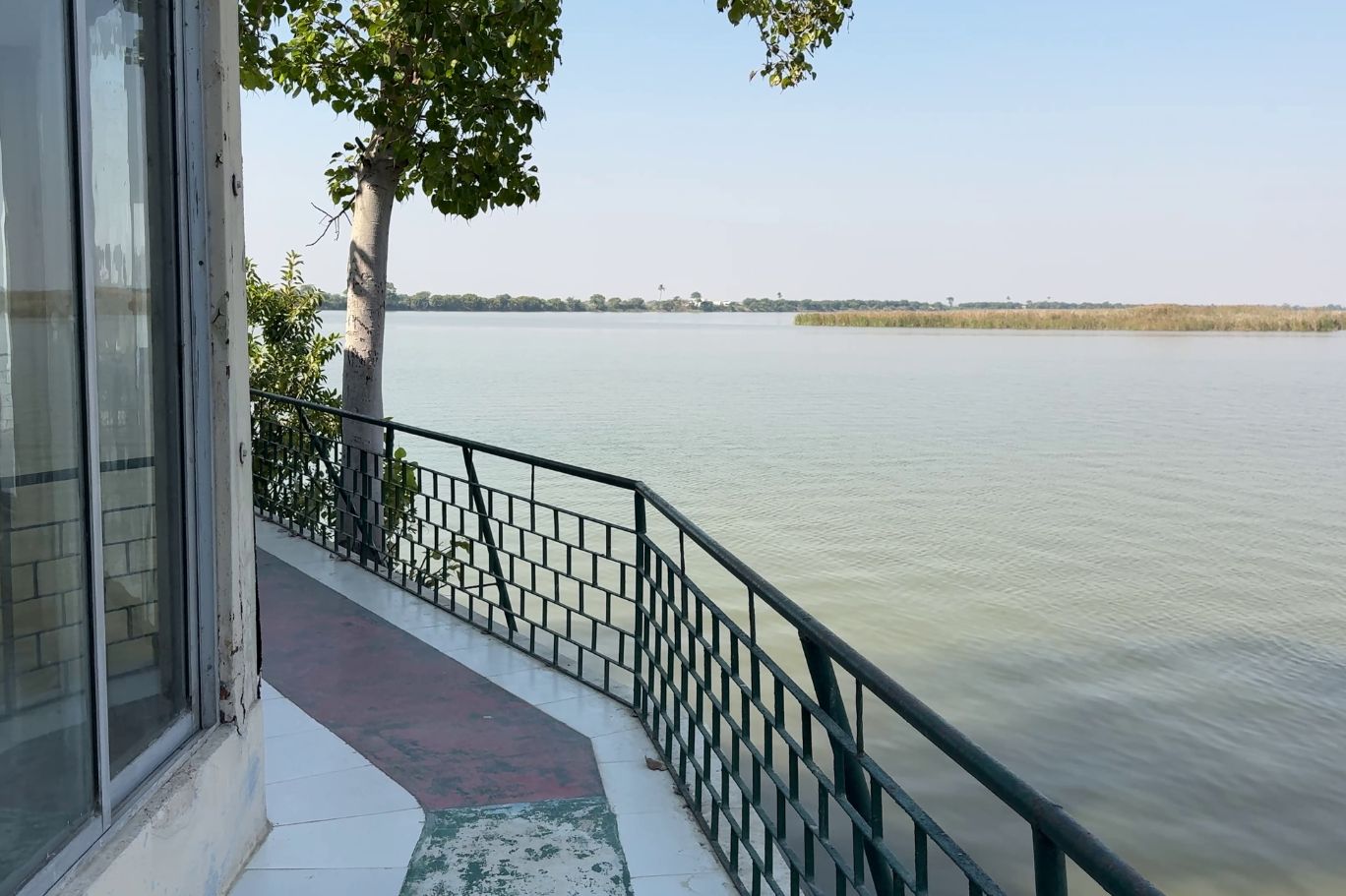
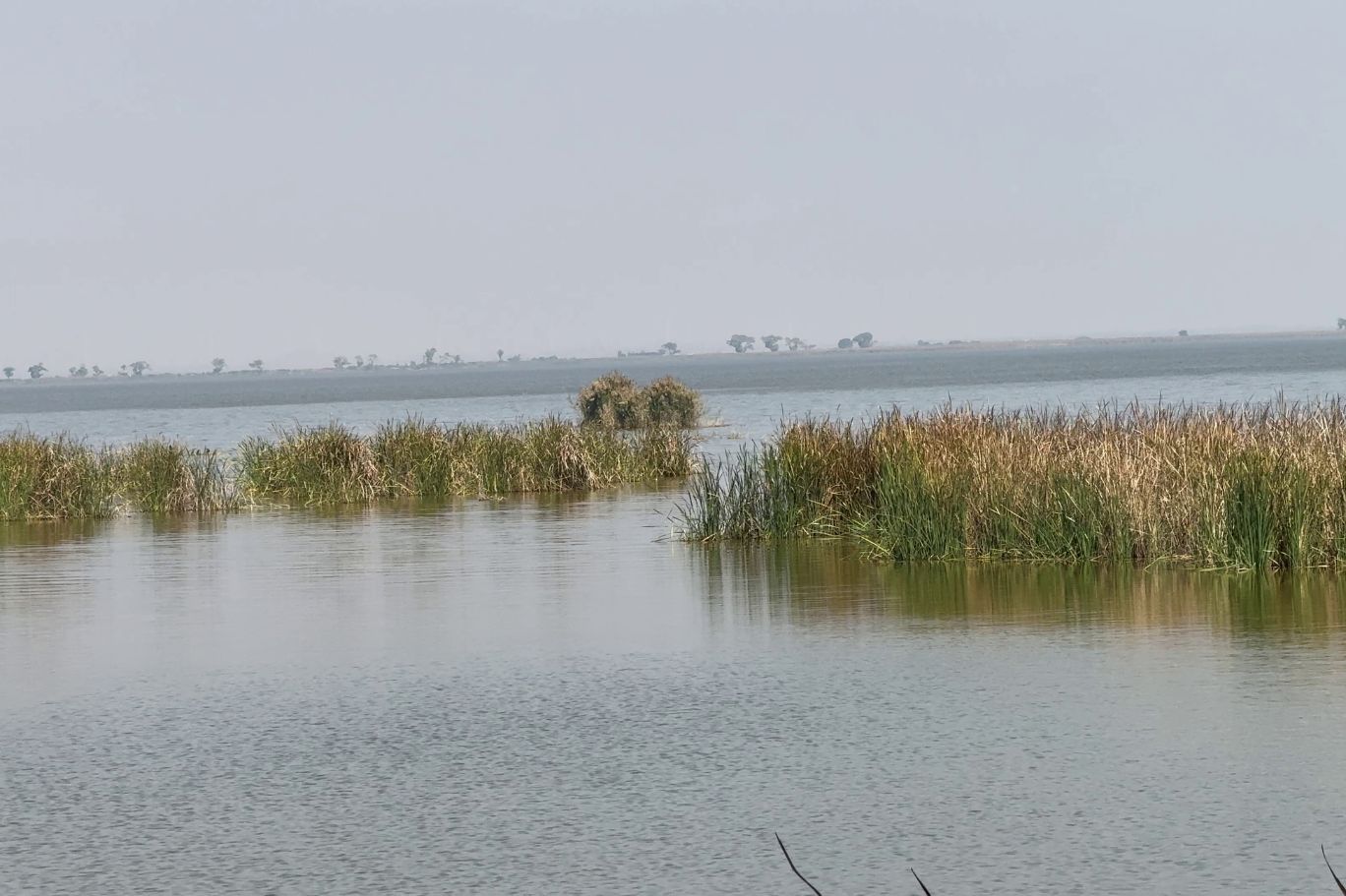
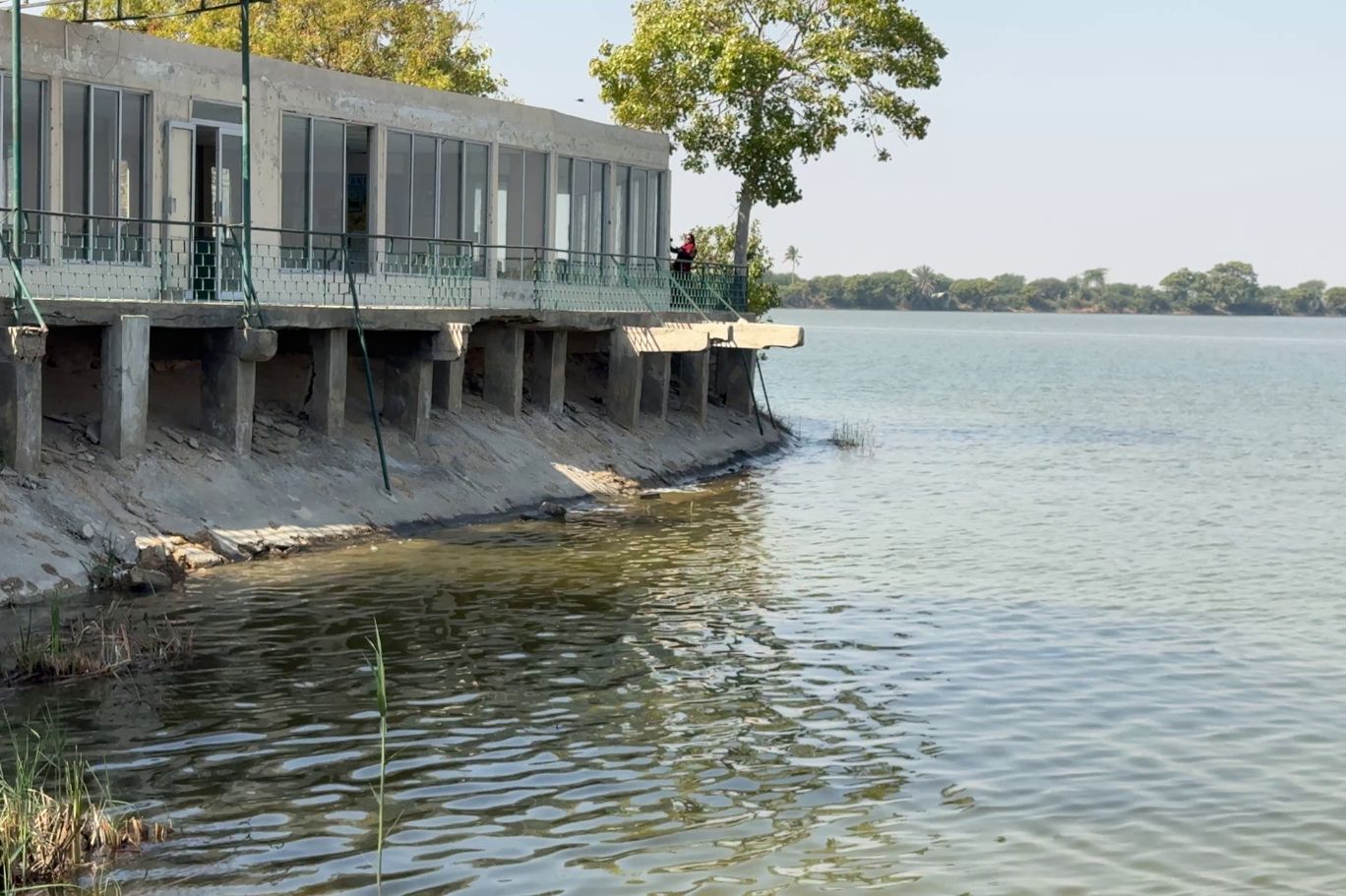
Once a glittering sanctuary for Siberian migratory birds, Haleji Lake Pakistan’s first man-made reservoir is now grappling with a severe ecological crisis. With freshwater inflows from the Indus River halted since 2018, the Ramsar-certified wetland has shrunk into a stagnant, polluted water body, triggering a sharp decline in bird populations along the Indus Flyway. Even though the lake remains home to Pakistan’s largest crocodile population, experts warn that without restoring natural water flows and addressing habitat degradation, Haleji’s fragile ecosystem may face irreversible damage.
Once a glittering sanctuary for Siberian migratory birds, Haleji Lake Pakistan’s first man-made reservoir is now grappling with a severe ecological crisis. With freshwater inflows from the Indus River halted since 2018, the Ramsar-certified wetland has shrunk into a stagnant, polluted water body, triggering a sharp decline in bird populations along the Indus Flyway. Even though the lake remains home to Pakistan’s largest crocodile population, experts warn that without restoring natural water flows and addressing habitat degradation, Haleji’s fragile ecosystem may face irreversible damage.
Once a glittering sanctuary for Siberian migratory birds, Haleji Lake Pakistan’s first man-made reservoir is now grappling with a severe ecological crisis. With freshwater inflows from the Indus River halted since 2018, the Ramsar-certified wetland has shrunk into a stagnant, polluted water body, triggering a sharp decline in bird populations along the Indus Flyway. Even though the lake remains home to Pakistan’s largest crocodile population, experts warn that without restoring natural water flows and addressing habitat degradation, Haleji’s fragile ecosystem may face irreversible damage.
Once a glittering sanctuary for Siberian migratory birds, Haleji Lake Pakistan’s first man-made reservoir is now grappling with a severe ecological crisis. With freshwater inflows from the Indus River halted since 2018, the Ramsar-certified wetland has shrunk into a stagnant, polluted water body, triggering a sharp decline in bird populations along the Indus Flyway. Even though the lake remains home to Pakistan’s largest crocodile population, experts warn that without restoring natural water flows and addressing habitat degradation, Haleji’s fragile ecosystem may face irreversible damage.
Wetlands play a critical role in sustaining climate stability, biodiversity, and water security, yet they are increasingly under threat from climate change, deforestation, pollution, and poor resource management. Experts speaking on World Wetlands Day 2026 emphasized that Pakistan’s wetlands—covering nearly 10% of the country’s land and including globally recognized Ramsar sites—are vital for ecological balance and community resilience. Urgent, collective action from government, civil society, and youth is essential to protect these fragile ecosystems, restore natural water flows, and ensure a sustainable future for both people and wildlife.
Wetlands play a critical role in sustaining climate stability, biodiversity, and water security, yet they are increasingly under threat from climate change, deforestation, pollution, and poor resource management. Experts speaking on World Wetlands Day 2026 emphasized that Pakistan’s wetlands—covering nearly 10% of the country’s land and including globally recognized Ramsar sites—are vital for ecological balance and community resilience. Urgent, collective action from government, civil society, and youth is essential to protect these fragile ecosystems, restore natural water flows, and ensure a sustainable future for both people and wildlife.
Wetlands play a critical role in sustaining climate stability, biodiversity, and water security, yet they are increasingly under threat from climate change, deforestation, pollution, and poor resource management. Experts speaking on World Wetlands Day 2026 emphasized that Pakistan’s wetlands—covering nearly 10% of the country’s land and including globally recognized Ramsar sites—are vital for ecological balance and community resilience. Urgent, collective action from government, civil society, and youth is essential to protect these fragile ecosystems, restore natural water flows, and ensure a sustainable future for both people and wildlife.
Haleji Lake, once a lifeline for migratory birds and rich biodiversity, is rapidly deteriorating due to halted Indus River inflows, pollution, and climate stress. The sharp decline in bird populations highlights the urgent need to restore the lake’s ecosystem before its environmental legacy is permanently lost.