
NEWS
IN BRIEF

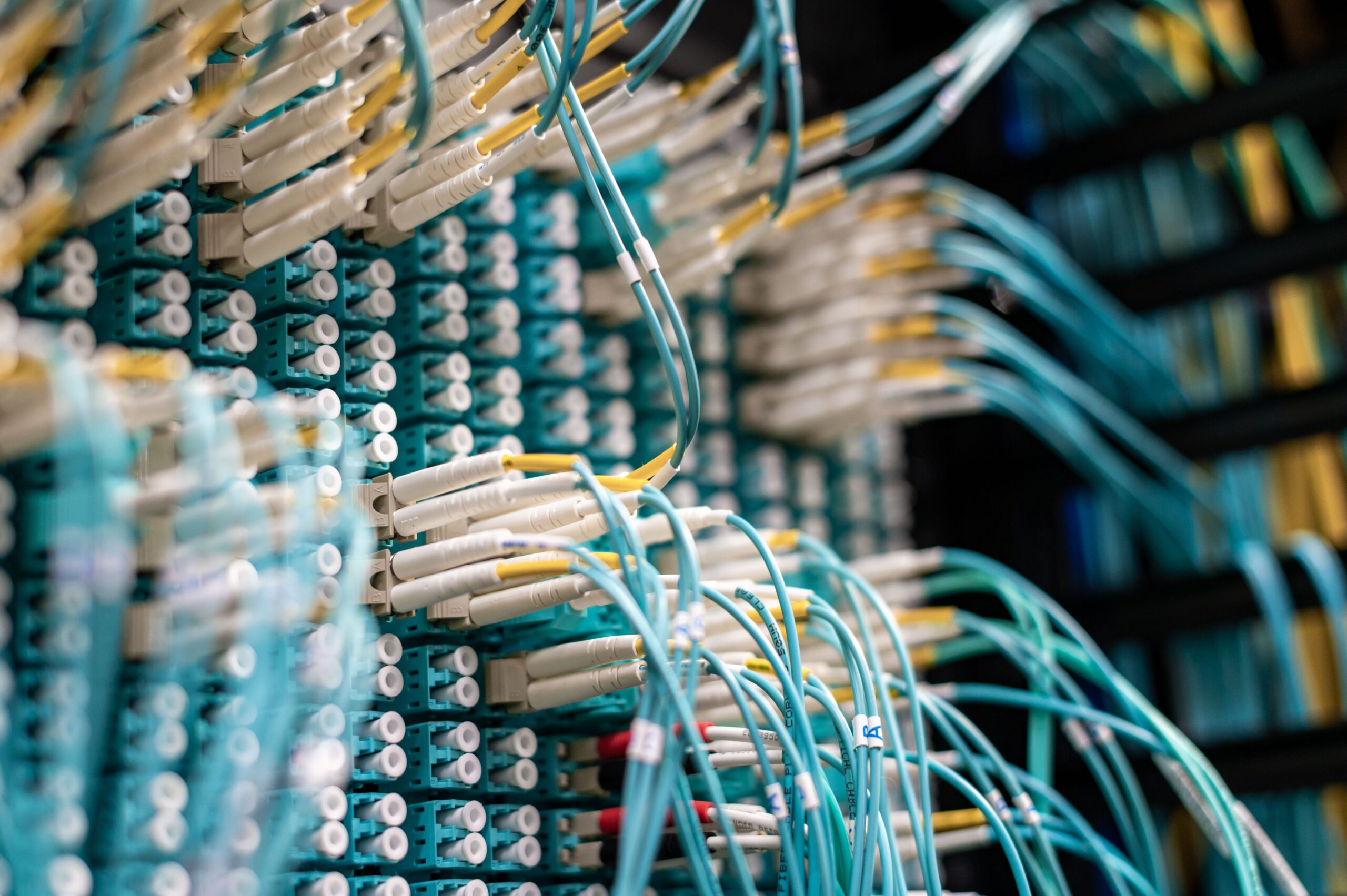
We have become remarkably good at making technology feel effortless. A few clicks give us an answer, a car runs without petrol and the cloud stores almost everything we could need. What remains out of sight is the water, energy and raw materials required to make these conveniences possible. As AI expands and industries race to build the next big thing, the environmental bill keeps growing in places most of us will never see. And even those of us who understand the costs are unlikely to stop using the technologies that make our lives easier.
SHARE
Every time someone tells me AI is bad for the environment, I have started responding like a badly briefed technology executive. “AI uses too much water?” Okay, so what? You’ll get a lab-grown steak. “Yes, but data centres need ridiculous amounts of electricity.” Fine. We’ll restart a nuclear reactor. “Your electric car needs lithium that is being extracted in one of the driest places on earth.” Relax. At least there are no tailpipe emissions. “RAM is getting expensive because AI companies are buying enormous amounts of memory.” Well, congratulations. You now have a reason to blame the chatbot for your computer upgrade. See? Problem solved.
I have discovered the secret of technological progress. You do not actually have to solve an environmental problem. You just have to create a new technology that solves one part of it while producing three fascinating new problems somewhere else. And because each new product is cleaner, smarter or more futuristic than the one before it, we all nod approvingly and keep moving.
I say “we” because I am very much part of the problem. I use AI and I like AI. I have asked it to rewrite things that were perfectly capable of being rewritten by me. I have asked it to explain things I probably could have Googled. I have pasted perfectly acceptable sentences into a ChatGPT and asked it to make them shorter, clearer, less awkward and less embarrassing. It is useful, annoyingly useful, actually. That is what makes the whole thing funny because the more I learned about what sits behind the little chat box, the harder it became to treat AI as just another harmless bit of technology. There is a lot more going on behind the screen than I had realised.
Yes, the robot is thirsty
I already feel guilty about water. I turn the tap off while brushing my teeth. I do not take 40-minute showers. I get genuinely annoyed when someone leaves a tap running for no reason. These are not extraordinary acts of climate heroism. This is basically the environmental equivalent of learning ABC. Then I found out that a 100-megawatt data centre can use around 2 million litres of water a day just for cooling and do you know what else? The facility of that size can also consume as much electricity as more than 75,000 homes. Well, now you know. Suddenly, my little habit of turning off the tap while brushing my teeth started to feel slightly… paltry.
The cloud is a wonderful invention. Not because it makes computing invisible but because it makes the consequences invisible. Bloomberg’s analysis found that around two-thirds of new US data centres built or under development since 2022 were in areas already experiencing high water stress.
Don’t worry, we are building more
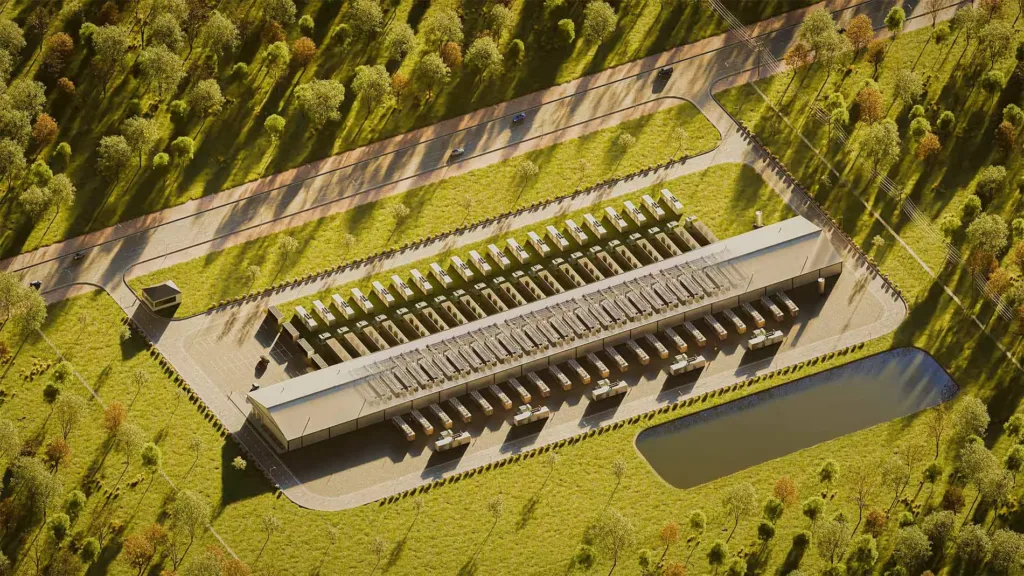
Once you start looking at the infrastructure behind AI, the numbers stop sounding like technology and start sounding like national infrastructure. Anthropic announced a $50 billion investment in American AI infrastructure. OpenAI’s Stargate project announced plans to invest up to $500 billion in AI infrastructure over four years, including 10 gigawatts of computing capacity. Meta’s 2026 capital expenditure forecast rose to between $125 billion and $145 billion, largely because of its AI push. We keep talking about AI as if the product is the chatbot. No, it is not. The chatbot is basically the receptionist. Behind it is a huge industrial operation that needs chips, servers, buildings, electricity, cooling systems, fibre, transformers, land, water and ostensibly… an absolutely ridiculous amount of money.
Let’s restart a nuclear reactor
The water problem inherently leads to the electricity problem. Because once you build enough computers to make everyone on Earth ask an AI model what they would have looked like in 80s, you someone needs to power those machines. The International Energy Agency estimates that electricity demand from data centres will rise sharply as AI expands, with the largest hyperscale facilities already entering the territory of power consumption associated with major industrial loads. So, what do we do? We build more power, and… we go nuclear.
Microsoft signed a 20-year power purchase agreement with Constellation to support the restart of Three Mile Island Unit 1, an 835-megawatt reactor now being called the Crane Clean Energy Center. Yes, I know this is Unit 1, not Unit 2, which was involved in the famous 1979 reactor meltdown. Amazon is doing pretty much the same thing. Its expanded agreement with Talen Energy covers up to 1.92 gigawatts of nuclear power through 2042 to support Amazon’s operations, including AI and cloud technologies.
The joke is not that nuclear energy is evil. The joke is the journey. We spent decades telling people to switch off the lights, unplug the charger or turn the TV off when nobody is watching and now we have built so many computers, packed so much computing power into so many data centres that we are looking at a nuclear reactor and saying, “Umm, actually, we can turn this one on.” (laughs in Mojo Jojo)
It is okay, the electric cars are clean
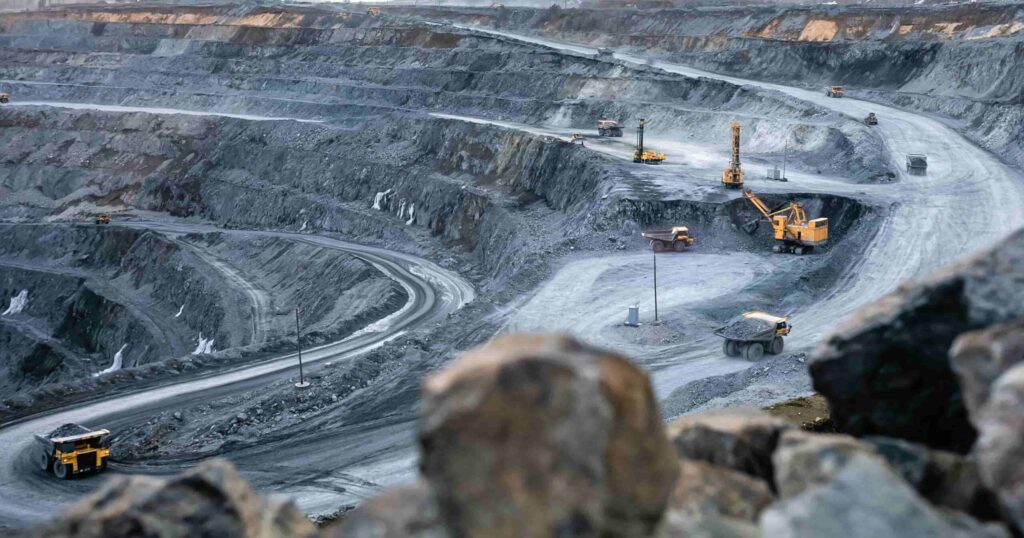
And then there are electric vehicles. I actually like them and unlike some of the other technologies in this conversation we are having right now, their environmental benefits are fairly tangible. They produce no tailpipe emissions while driving and can have a lower overall carbon footprint than petrol cars. But “electric” does not mean impact-free. Take lithium for example, Chile’s Salar de Atacama is one of the world’s major lithium-producing regions and one of the driest places on earth. A Columbia Climate Law analysis cites research linking lithium extraction to a 30% drop in water levels in the Salar, with impacts on vegetation and flamingos. An EV can be a better option without being a clean one. A peer-reviewed study of battery-grade lithium production in the Salar de Atacama estimated a water-scarcity footprint of 442 cubic metres world-equivalent per tonne of lithium product under the AWARE method.
AI is eating our RAM (and perhaps my dream of building a budget gaming PC)
Just when I thought this whole thing could not get more personal, AI came for computer memory. For years, RAM was one of those rare pieces of technology that seemed to move in the right direction. More capacity, lower prices. Everyone wins. Then AI became hungry, very very hungry.
TrendForce has reported severe pressure on DRAM prices as manufacturers shift capacity toward high-bandwidth memory and server products needed by AI infrastructure. Centre for Strategic and International Studies estimates that data centres could consume around 70% of global memory output in 2026. Hold on, it gets even stranger, CSIS reports that OpenAI secured agreements representing as much as 40% of global DRAM output for its Stargate project.
AI needs absurd amounts of memory. The memory industry responds. RAM gets more expensive and we end up paying more, just like The Lion King taught us, it is the circle of life. Hakuna Matata. I believe technology has a sense of humour. It just refuses to admit it.
The trick is making the problem invisible
None of these technologies are ridiculous. It would be too easy to say that. AI is genuinely useful. Nuclear power can provide reliable, low-carbon electricity. Electric vehicles eliminate tailpipe emissions and, depending on how their electricity is generated, can produce fewer overall greenhouse-gas emissions than Internal Combustion Engines (ICE). The problem starts when we focus on the shiny part of the technology and forget the machinery underneath it. A chatbot feels clean because there is nothing dirty happening on my screen. An electric car feels clean because there is no exhaust pipe. The cloud feels clean because, well, there is no actual cloud. You know there is a “but” coming, right?
Behind the screen is a building. Inside that building are computers. Behind those computers are factories. Behind the factories are mines. There is an entire physical supply chain sitting underneath the digital experience which we barely see. That becomes harder to ignore when you look at the water. The IEA estimates global data-centre water consumption could rise from around 560 billion litres a year to 1.2 trillion litres by 2030. About two-thirds of new US data centres built or under development since 2022 are in areas with high water stress. So perhaps my toothbrush and I should lower our expectations.
I’m guilty, I still use the thing
This is where I am supposed to tell you that I have changed my ways. Bad news, guys. I haven’t. I am still going to use AI not because I think technology should be above criticism, but because it is genuinely useful. That is exactly why the contradiction is worth admitting. I can care about climate change and still use AI. None of this means the future is evil. It just means the future has a plumbing system, we humans are only beginning to notice it.
About the Author:
Muhammad Abubakar is Program and Communications Manager at Accountability Lab Pakistan and can be reached at mabubakar@accountabilitylab.org