
NEWS
IN BRIEF

Climate change is rapidly becoming a workplace hazard in Pakistan, exposing millions of workers to extreme heat, floods, and other climate-related risks. Yet existing labour laws remain largely unequipped to protect workers from these emerging threats, particularly those in the informal economy. As temperatures rise, workplace safety must evolve to include climate resilience through stronger legal protections, safer working conditions, and recognition of climate-related risks as fundamental labour rights.
SHARE
Pakistan’s labor laws were created for an earlier time when workplace hazards were linked to defective machinery, industrial mishaps, and dangerous materials instead of heatwaves, floods, and climate change. For millions of workers in Pakistan today, climate change has become an immediate issue rather than a remote environmental worry. It is becoming a common occurrence in the workplace.
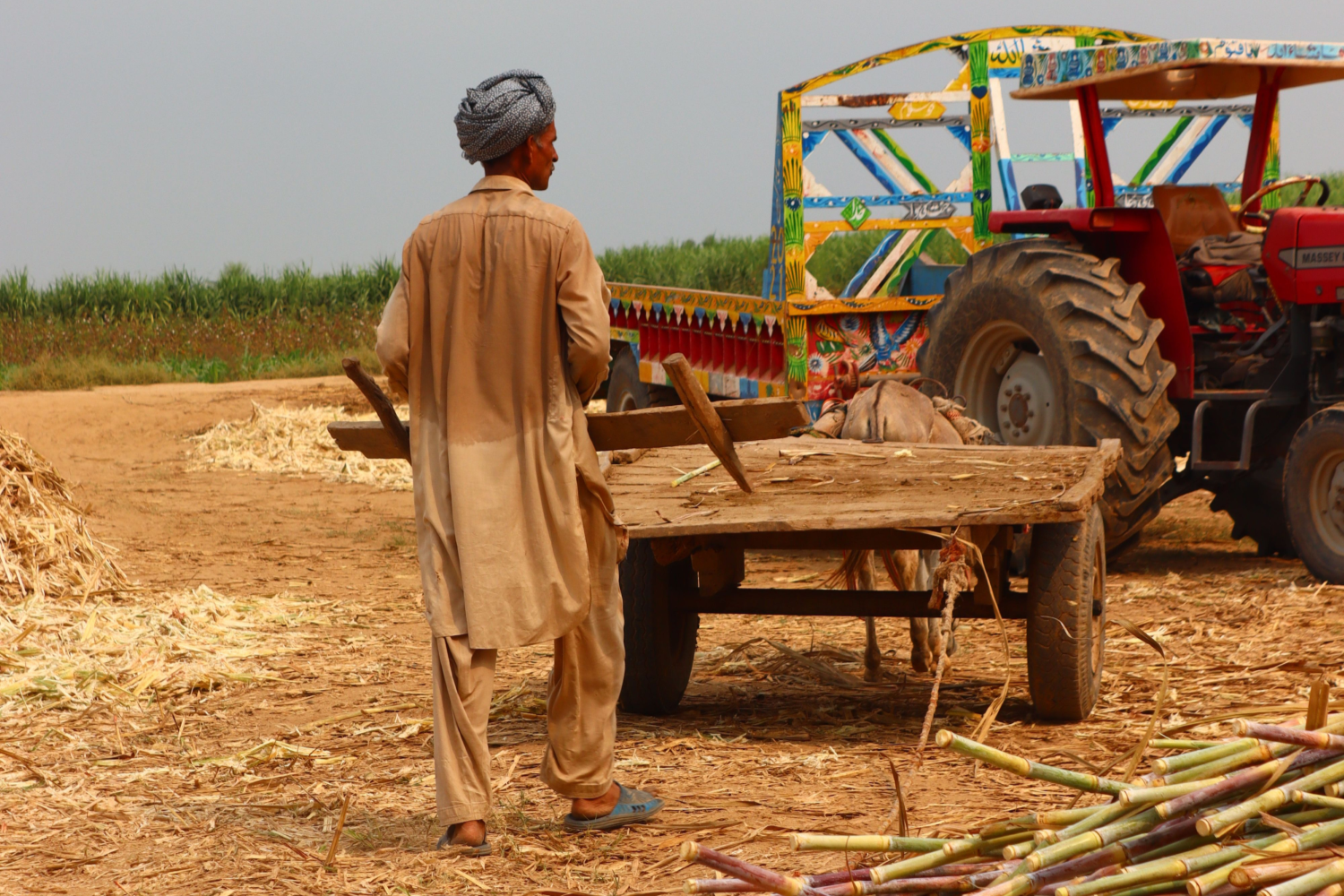
Farmworkers gathering produce in extreme heat, builders constructing roads under the summer sun, sanitation staff working without shade, and delivery cyclists maneuvering through cities in heatwaves face growing risks that jeopardize their health and livelihoods. In various industries, the weather is increasingly influencing working conditions just as much as employers or regulators.
Pakistan’s existing labour framework remains largely unprepared for climate-related workplace risks. While the Factories Act 1934 and provincial occupational safety and health laws impose general duties on employers to provide safe working conditions, they offer little guidance on heat stress, extreme weather exposure, or climate-related disruptions to work. This challenge is not unique to Pakistan. The International Labour Organization has observed that many occupational safety systems worldwide were developed before climate change emerged as a significant workplace risk (see Heat at Work: Implications for Safety and Health (ILO, 2024)).
This brings up a crucial legal issue: ought shielding workers from extreme heat be acknowledged as an essential element of workplace safety like the protections against dangerous machinery or harmful chemicals?
The situation is becoming more pressing for Pakistan. Increasing temperatures and more regular heatwaves are putting workers at risk, especially in urban areas like Karachi, Lahore, and Jacobabad. Nevertheless, numerous outdoor workers persist in working without sufficient access to hydration, rest periods, shaded spaces, or modified working hours.
The risks are heightened by Pakistan’s extensive informal economy, where employees in areas like agriculture, construction, transport, and brick kilns frequently remain outside the scope of labor inspections and safety regulations, limiting their capacity to reject hazardous working conditions or request protections.
International labour institutions increasingly recognise extreme heat as a labour rights issue rather than merely an environmental concern. The International Labour Organization has identified heat stress as one of the most significant emerging occupational safety risks, particularly for workers in outdoor and physically demanding sectors. In its report, Working on a Warmer Planet: The Effect of Heat Stress on Productivity and Decent Work, the ILO estimates that heat stress could result in the loss of the equivalent of 80 million full-time jobs globally by 2030, with South Asia expected to experience some of the greatest impacts.
For Pakistan, adapting to climate change necessitates more than just setting renewable energy goals and cutting emissions. It also calls for a reconsideration of labor protections in a warming climate. Strategies like heat action plans, modified work hours in extreme weather, availability of drinking water and shaded rest zones, early warning systems, and obligatory breaks for cooling in high-risk industries are progressively recognized as global best practices in workplace safety.
Pakistan’s constitutional framework may already provide the foundations for stronger climate-related labour protections. In Asghar Leghari v Federation of Pakistan (W.P. No. 25501/2015), the Lahore High Court recognised that failures in climate governance could threaten fundamental rights protected by the Constitution, particularly the rights to life and human dignity under Articles 9 and 14. The judgment was significant because it treated climate change not merely as an environmental concern but as a constitutional issue requiring positive action from the state.
The foundations for this reasoning had been laid much earlier in Shehla Zia v WAPDA (PLD 1994 SC 693), where the Supreme Court held that the constitutional right to life extends beyond mere existence and includes the right to a healthy and safe environment. By interpreting Article 9 broadly, the Court established an important principle of Pakistani environmental jurisprudence: constitutional rights must evolve to address emerging threats to human well-being.
When considered collectively, these choices indicate that climate resilience increasingly revolve around labor rights and constitutional safeguards rather than solely being a matter of policy preference. Should extreme temperatures render work hazardous or endanger the health and dignity of workers, courts and regulators might ultimately need to reassess the definition of workplace safety in a warming climate.
With the acceleration of climate change, these principles are likely to more significantly influence how courts, regulators, and employers perceive workplace safety. The key labor issue in the upcoming decades might be straightforward: when environmental factors render work unsafe, who is accountable for ensuring worker safety?
The developing solution seems to involve collective accountability: employers implementing workplace protections, governments enforcing regulations, and courts acknowledging that climate resilience is now intertwined with labor rights. In Pakistan, the prospects for climate justice may hinge not just on environmental regulations but also on the legal system’s ability to safeguard individuals whose jobs are threatened by the shifting climate.
About the Author:
Zunaira Zahid serves as a Legal Officer at Accountability Lab Pakistan, and can be reached at zunaira@accountabilitylab.org.