
NEWS
IN BRIEF

Climate change has emerged as a major driver of food insecurity in Pakistan, disrupting an agriculture-dependent economy that supports over a third of the population. Despite contributing minimally to global emissions, the country faces severe climate impacts floods, droughts, heatwaves, and erratic rainfall that have reduced crop yields, harmed livestock, and destabilized food supply chains. As a result, millions face food insecurity, undernourishment, and limited access to nutritious diets, particularly in vulnerable rural and low-income communities.
While Pakistan has taken steps toward climate adaptation, including climate-smart agriculture and disaster risk reduction, these efforts remain insufficient. Urgent investment in resilient food systems, water management, early warning mechanisms, and nutrition-focused policies is essential to safeguard livelihoods, public health, and future generations.
SHARE
Pakistan’s relationship with food has always been deeply rooted in its land, rivers, and seasons. From the golden wheat fields of Punjab to the rice paddies sustained by the Indus River system, agriculture has long supported livelihoods, culture, and survival. Today, however, this delicate balance is rapidly unraveling. As climate change accelerates, food security in Pakistan has moved beyond an agricultural concern and has become a widespread humanitarian crisis affecting millions across the nation.
Food security exists when all people have reliable access to sufficient, safe, and nutritious food necessary for a healthy life. In Pakistan, where agriculture directly or indirectly supports around 37 percent of the workforce and contributes approximately 22 percent to the national GDP, food security is inseparable from environmental stability and economic wellbeing(The Agricultural Economist,2024) . Yet the country now faces a perfect storm of climate disruption, economic stress, and persistent poverty that threatens food availability, access, and nutrition for millions of people.
The scale of the crisis is already visible. According to the Global Report on Food Crises 2025 by the United Nations’ Food and Agriculture Organization (FAO), more than 11 million Pakistanis experienced acute food insecurity between late 2024 and early 2025, particularly in flood-affected districts of Balochistan, Sindh, and Khyber Pakhtunkhwa(Dawn News,2025) . Of these, approximately 1.7 million people were living in emergency-level food insecurity, only one step away from famine conditions (Arab News,2025). At the national level, 20.7 percent of Pakistan’s population is undernourished, while nearly 40 percent of children under the age of five are stunted due to chronic nutritional deficiencies(WFP,2024) . Alarmingly, close to 83 percent of Pakistanis cannot afford a diet that meets basic nutritional requirements, highlighting the widespread inability to access healthy food (The News,2024)
Despite contributing less than one percent to global greenhouse gas emissions, Pakistan is ranked among the most climate-vulnerable countries in the world(WFP,2024) . Erratic weather patterns, including prolonged droughts and intense monsoon rains, are disrupting crop cycles and damaging agricultural land(Arab News,2024)
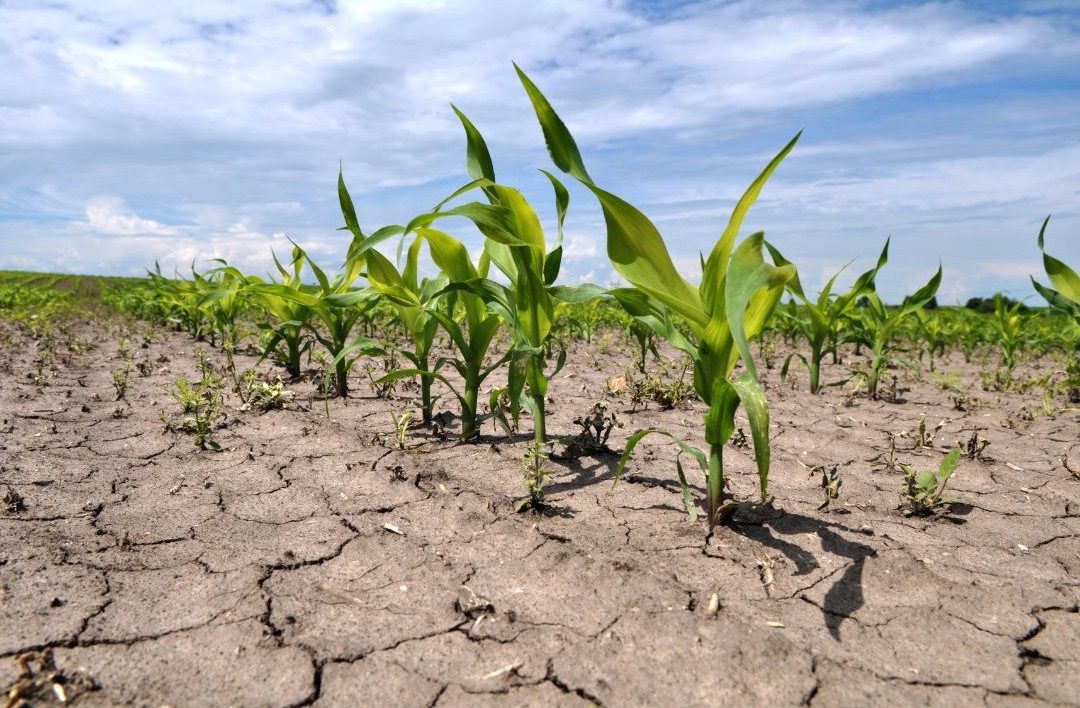
In southern Punjab and Sindh, wheat sowing has been delayed repeatedly due to erratic rainfall and warmer winters, reducing yields and increasing farmers’ reliance on costly inputs. In rice growing districts along the Indus, unseasonal floods have damaged standing crops, while prolonged heat waves have lowered grain quality, directly affecting farmers’ incomes and export potential.
Historical rainfall extremes, such as the wettest April recorded since 1961, demonstrate how climate volatility continues to undermine farmland and rural livelihoods(AP News,2024). Climate stress is also undermining livestock, which contributes nearly 60% of agricultural value addition. Heat stress reduces milk production, increases disease outbreaks, and raises mortality among cattle and buffaloes, particularly in Sindh and southern Punjab. For millions of rural households that depend on milk, meat, and poultry for both income and nutrition, these losses translate directly into food insecurity. The catastrophic floods of 2022 and 2025 displaced millions of people and destroyed vast areas of agricultural land, severely reducing food stocks and destabilizing rural economies. Rising temperatures and increasing water scarcity further threaten staple crops such as wheat and rice, placing additional pressure on national food production (The Agriculture Economist,2024)
Climate change is disrupting the entire food system, from production and storage to transport and consumption. Heat stress, unpredictable rainfall, and declining soil moisture reduce crop yields. Even a one-degree Celsius rise in temperature significantly cuts wheat production, Pakistan’s most important staple crop (The Agriculture Economist,2024). Water scarcity has intensified as per capita water availability has fallen below 1,000 cubic meters, well under the global scarcity threshold, threatening irrigation systems and farming viability(The Agriculture Economist,2024) . Post harvest losses are also rising as floods damage storage facilities and rural roads, while market disruptions fuel food inflation that hits low-income households the hardest. The burden of climate-induced food insecurity is not shared equally. Small farmers and landless laborers, who have limited capacity to absorb crop losses, face the greatest economic risk. Women and children are particularly vulnerable, as women often eat last and least in food-insecure households, while children suffer long-term physical and cognitive consequences of malnutrition (WFP,2024) Flood-affected and drought-prone rural communities endure repeated climate shocks with minimal safety nets, trapping them in recurring cycles of poverty and vulnerability.
Climate change is not just reshaping landscapes, it is determining who eats, who goes hungry, and who is pushed deeper into poverty. Pakistan has taken several concrete steps to adapt to climate-related challenges through coordinated efforts by government bodies and international organizations. The Ministry of Climate Change and Environmental Coordination, with support from UNDP and the Green Climate Fund, has led the development of the National Adaptation Plan, focusing on climate-smart agriculture, water conservation, and livelihood resilience. In the agricultural sector, the Food and Agriculture Organization (FAO), in collaboration with provincial agriculture departments, has promoted climate-smart farming practices, including drought-resistant crops, efficient irrigation techniques, and farmer training programs. To reduce disaster risks, the National Disaster Management Authority (NDMA) has strengthened early warning systems and emergency response mechanisms for floods, heatwaves, and cyclones, while projects like GLOF-II, implemented by the Ministry of Climate Change and UNDP, aim to protect vulnerable mountain communities from glacial lake outburst floods. Additionally, ecosystem-based initiatives such as the Ten Billion Tree Tsunami Program and the Living Indus Initiative, led by the Government of Pakistan with UN support, focus on restoring forests, wetlands, and river systems to enhance long-term climate resilience. Together, these measures reflect Pakistan’s initial but growing commitment to adapting to the impacts of climate change through policy, community action, and international collaboration. Community organizations and non-governmental initiatives are also working to build resilience through education and sustainable practices in vulnerable areas. However, the scale of the crisis demands far more urgent and coordinated action. Greater investment is needed in resilient crop varieties, efficient irrigation systems, early warning mechanisms, and nutrition-sensitive policies that prioritize the most vulnerable populations. Strong political commitment is essential to place food security at the center of national planning and development.
Climate change is no longer a future risk; it is actively shaping what Pakistan grows, eats, and survives on today. Food security is not merely about crop yields or calorie intake is fundamentally about health, dignity, and the wellbeing of future generations. Addressing climate change and food insecurity together is no longer optional, it is a national imperative. The challenge Pakistan now faces is not whether it can afford to act, but whether it can afford not to.
About the Author
Abeeha Rana is Intern at Accountability Lab Pakistan and can be reached at abeeharana02@gmail.com